
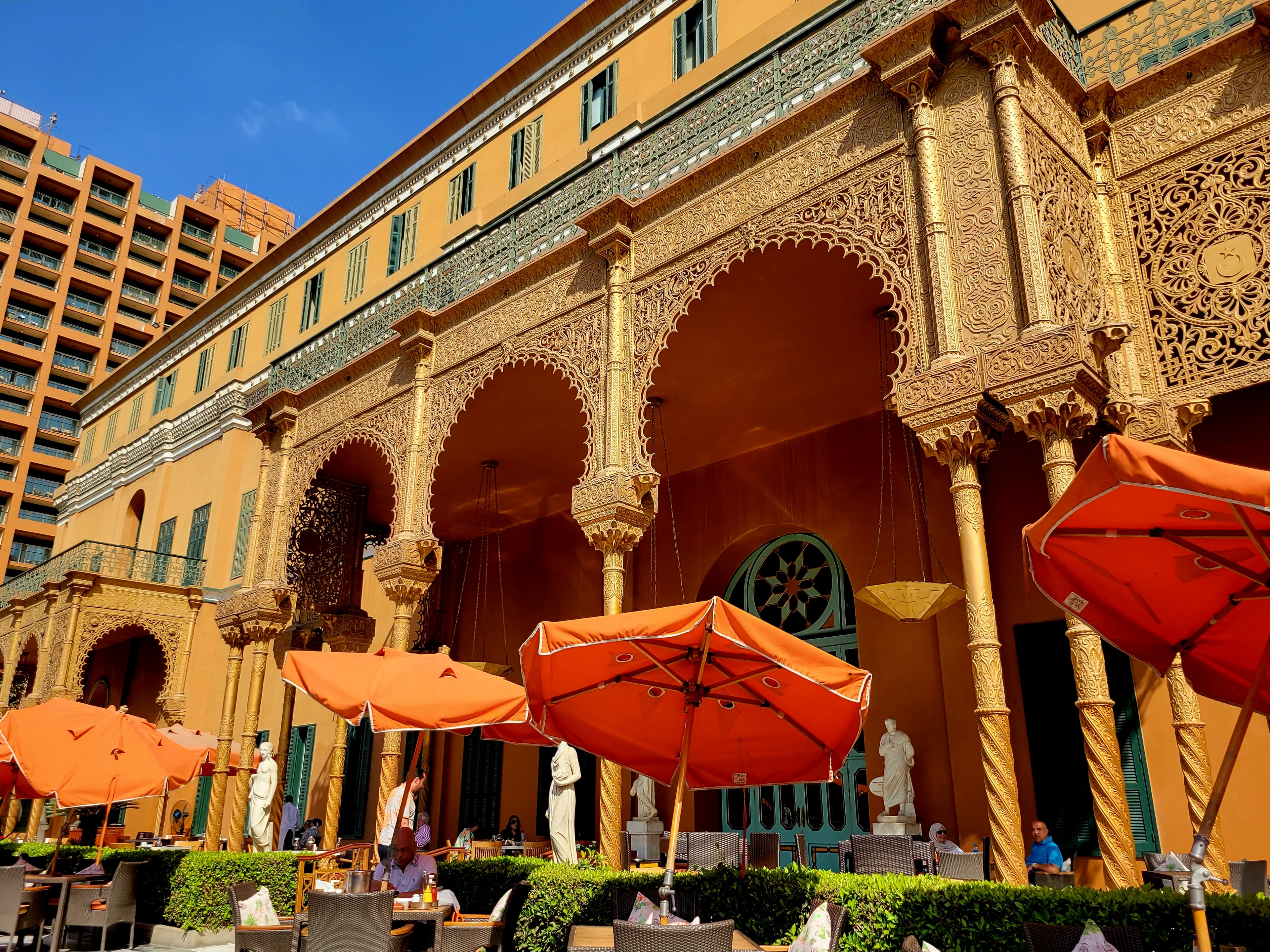
Twelve days in a country that's ancient, overwhelming, vibrant, and impossible to forget.
There are trips that entertain you, and then there are trips that genuinely change the way you see the world. Egypt is the second kind. The Egyptians themselves call it Umm al-Dunya, or "Mother of the World," and after 12 days there, I understand why. We started in Cairo, flew south to Aswan, cruised the Nile back north, and returned to Cairo for departure. I came home with a head full of history, a camera full of color, and a deep respect for a country that is simultaneously ancient and very much alive.
And here's the strange part: the moment I keep coming back to, the one I find myself describing to friends before I even mention the pyramids, had nothing to do with 5,000 years of history at all. It happened in a hotel restaurant near Aswan, and I'll get to it. But first, you have to understand what it means to actually arrive in Egypt.
I'll be honest with you, because that's what I do here: Egypt is not an easy destination. Cairo is overwhelming in a way that few cities are. The crowds, the traffic, the poverty visible right alongside extraordinary wealth and history; it's a lot to take in. But if you go in with open eyes and an open heart and mind, what you find on the other side of that overwhelm is one of the most fascinating, generous, and visually stunning places on earth.
Cairo: Chaos, Color, and 5,000 Years of History
Cairo is one of the most densely populated cities in the world, and you feel every bit of that the moment you step outside. The traffic is legendary, with lanes that are more of a suggestion than a rule, with donkeys and carts literally in the middle of cars and lots of tour buses. And the city sprawls in every direction with a frenetic energy that never quite turns off. The poverty is real and visible, and I won't pretend otherwise. But here's what I also found: the people are warm, curious, genuinely helpful, and proud of their country and its history. Tourism is the lifeblood of Egypt's economy, and Egyptians of course know it. But the warmth I encountered felt less transactional and more like genuine hospitality.
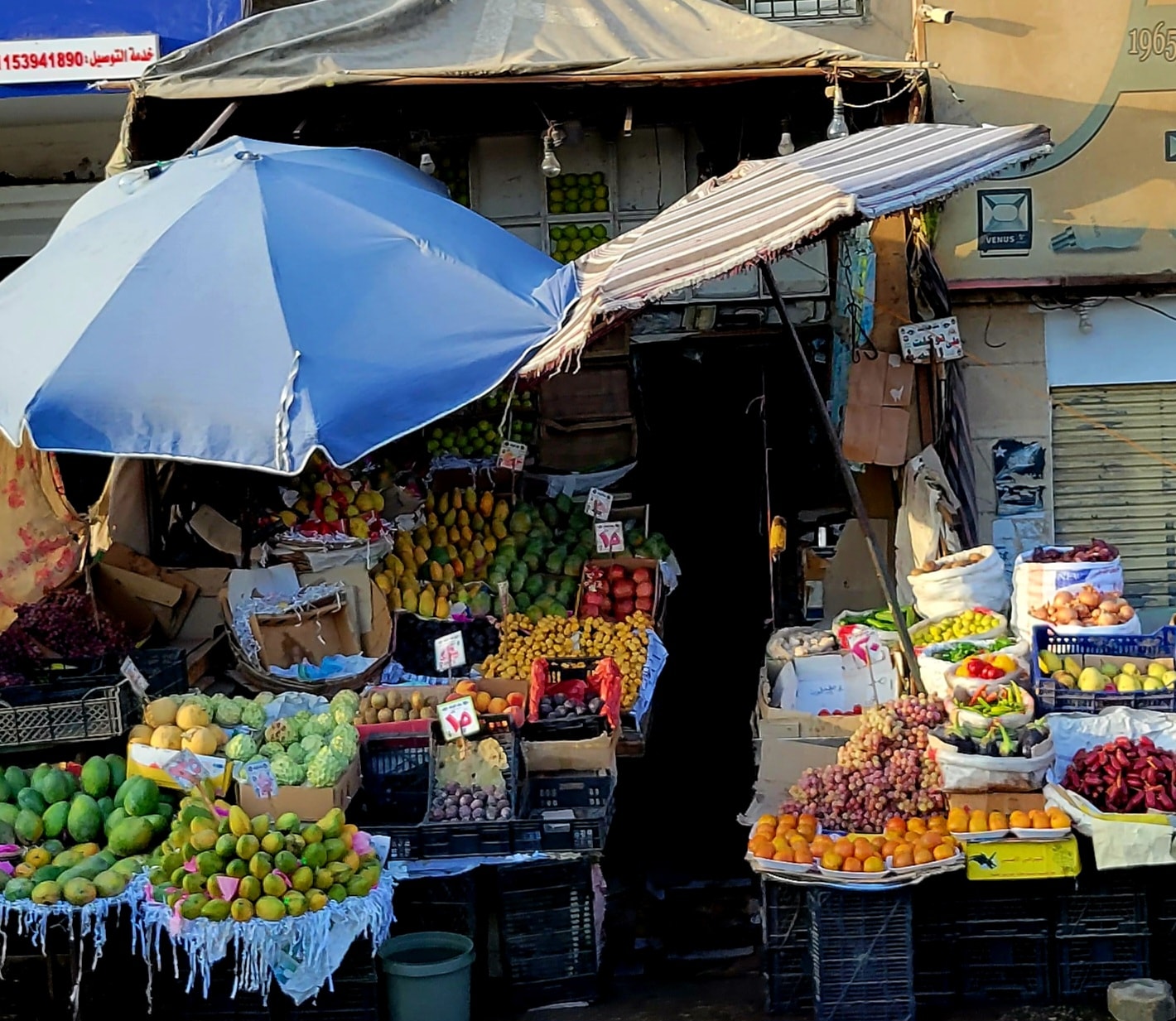
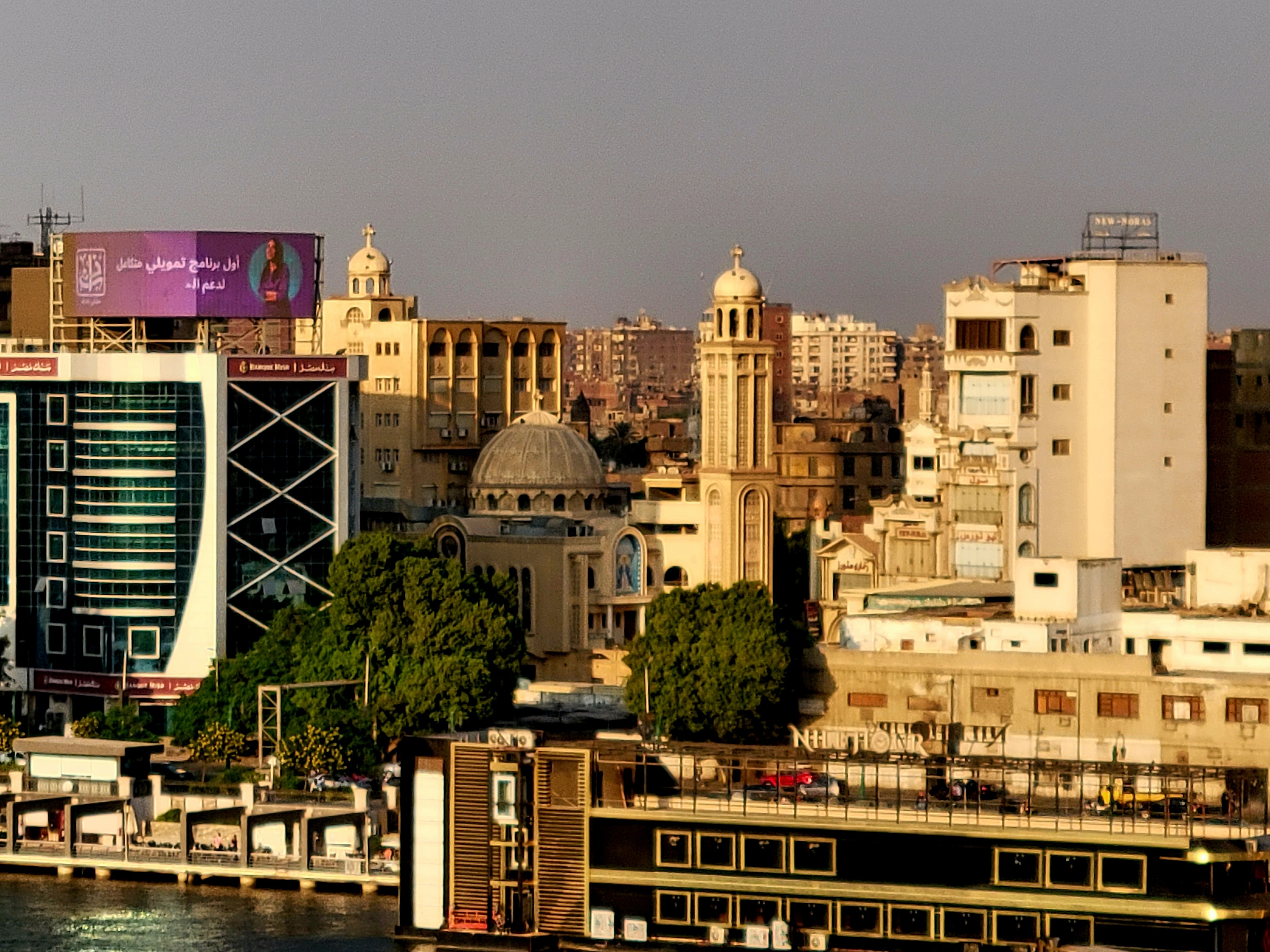
Colorful fruit and vegetable stands along the highway. The Cairo skyline is a mix of old and new.
The markets, and especially Khan el-Khalili, which is a UNESCO World Heritage Site, are an assault on the senses in the best possible way. Spice vendors with towers of saffron, cumin, and dried rose petals. Weavers at looms producing rugs with patterns that haven't changed in centuries. Perfume shops where the owner will spend 45 minutes walking you through the history of Egyptian fragrance if you let him. I let him. It was one of the highlights of the trip.
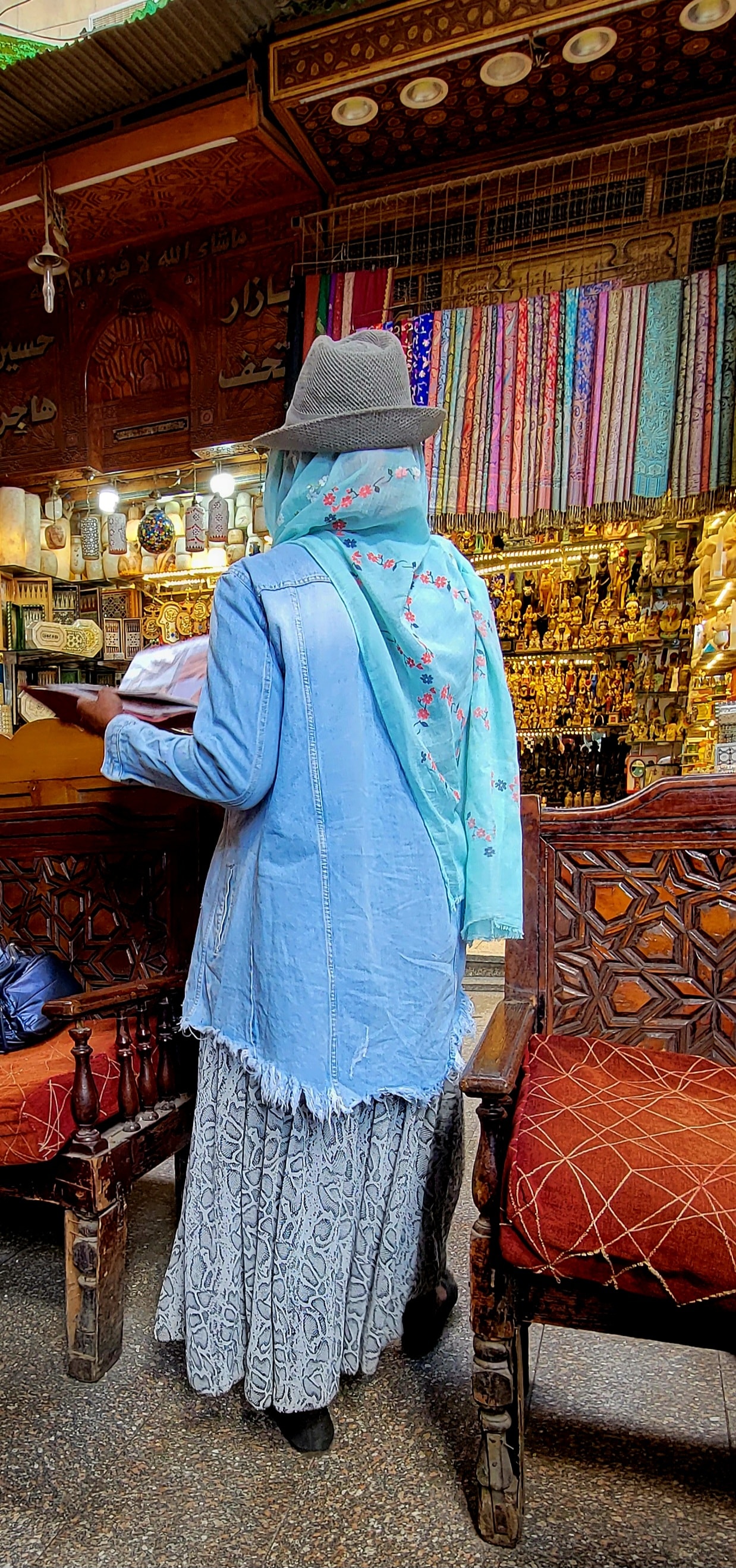
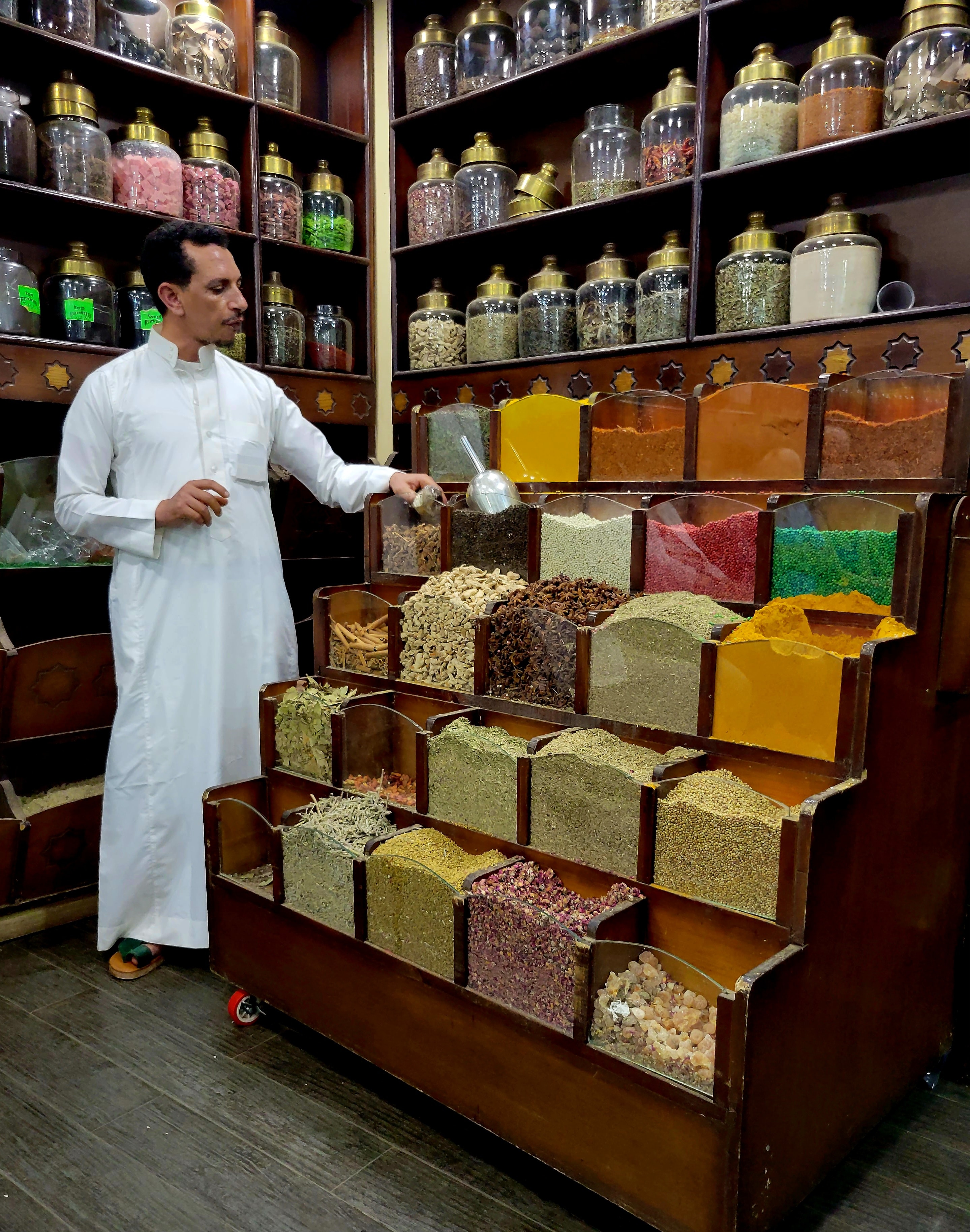
Khan el-Khalili was established in 1382 CE, with more than 4,000 shops and cafes winding through narrow alleyways.
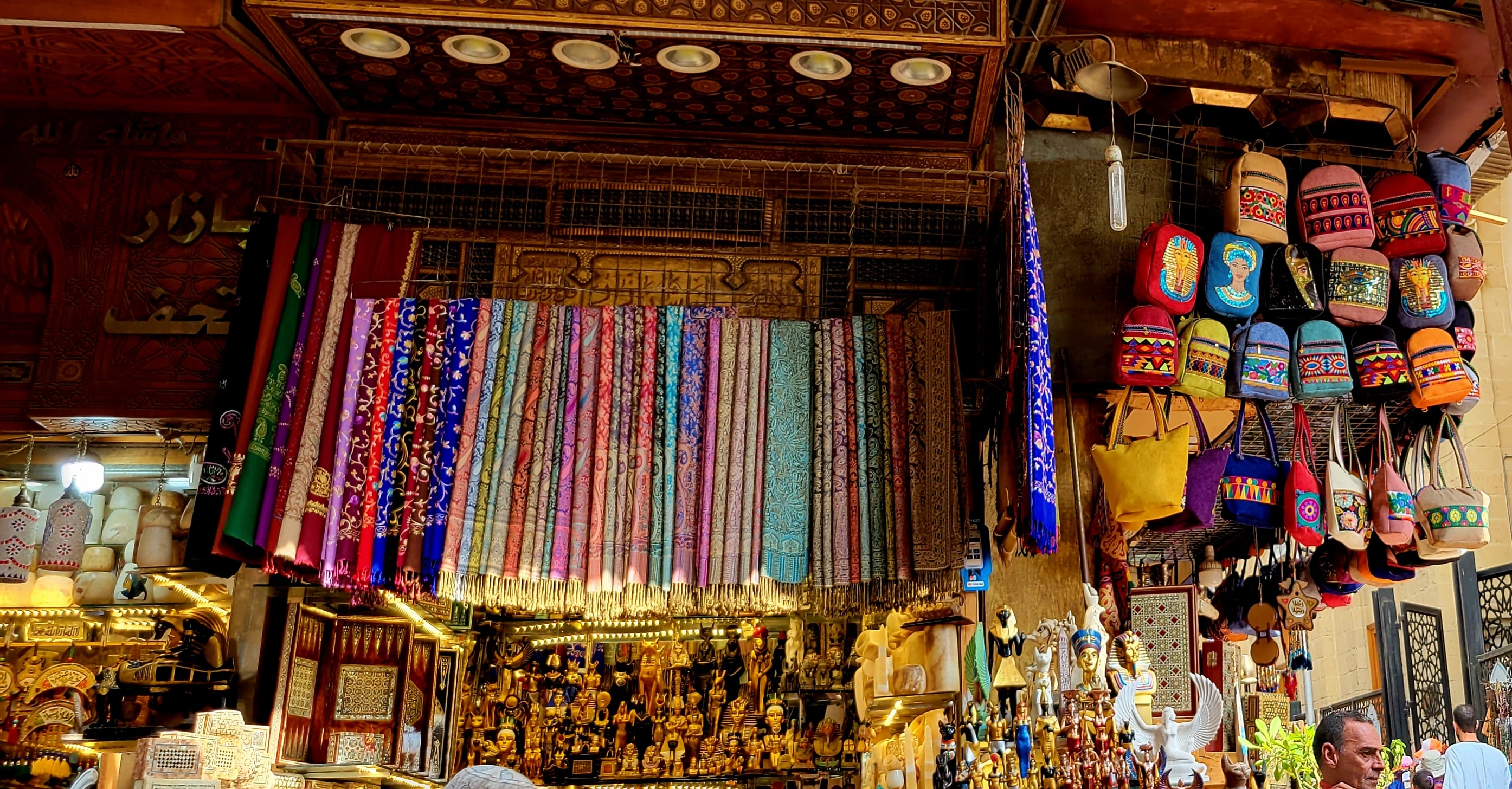
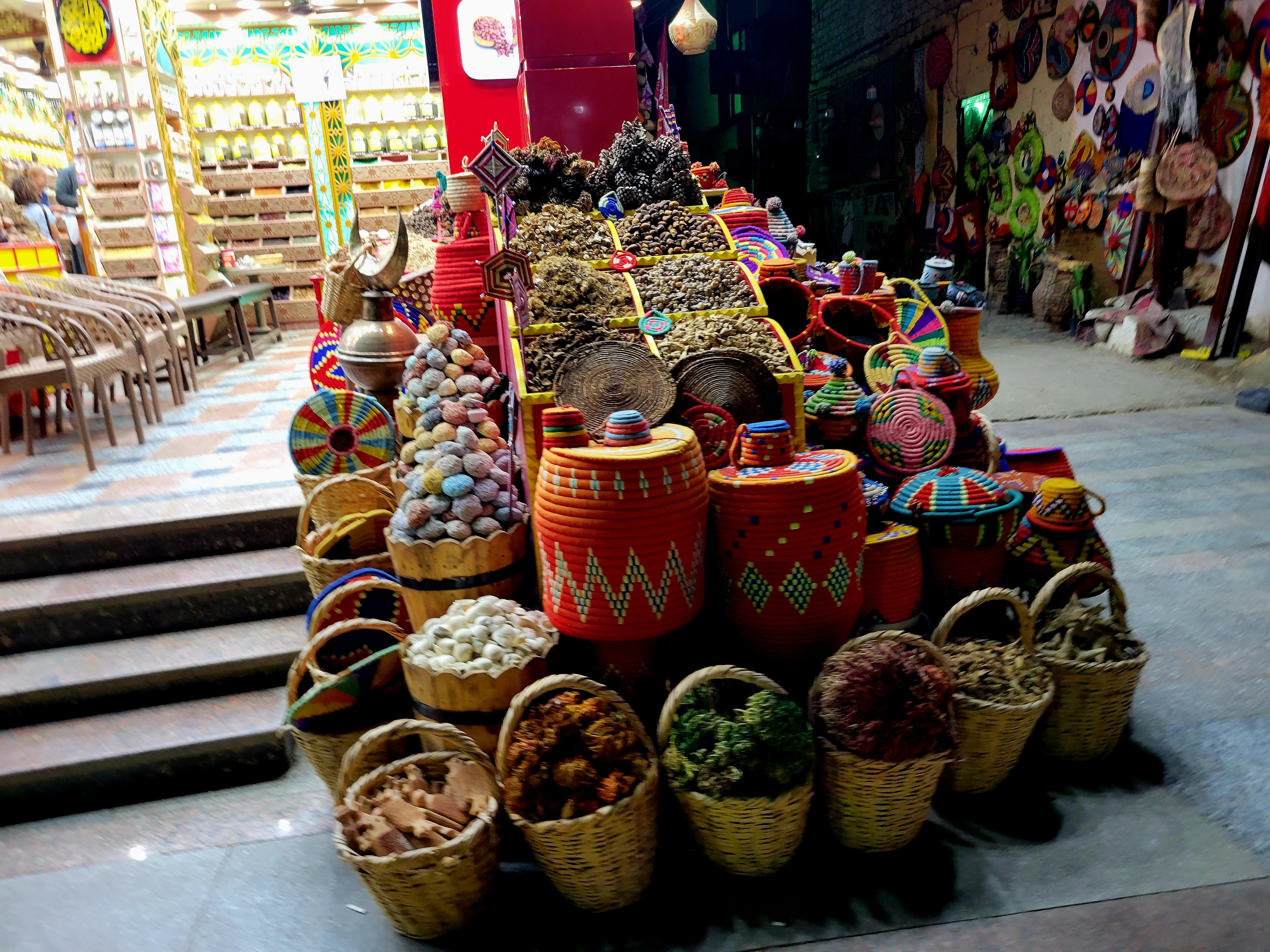
The markets are a feast for the eyes and nose with color and fragrances at every turn from textiles, spices, and everything in between.
The Pyramids: Nothing Prepares You
I've seen a lot of iconic things in my travels. The Eiffel Tower. The Colosseum. Uluru at sunset. Mt. Fuji at dawn. And I'll tell you honestly: nothing quite prepares you for the moment you see the pyramids for the first time. They are simply there. So massive, ancient, wondrous. Your jaw will drop wide open, no doubt about it.
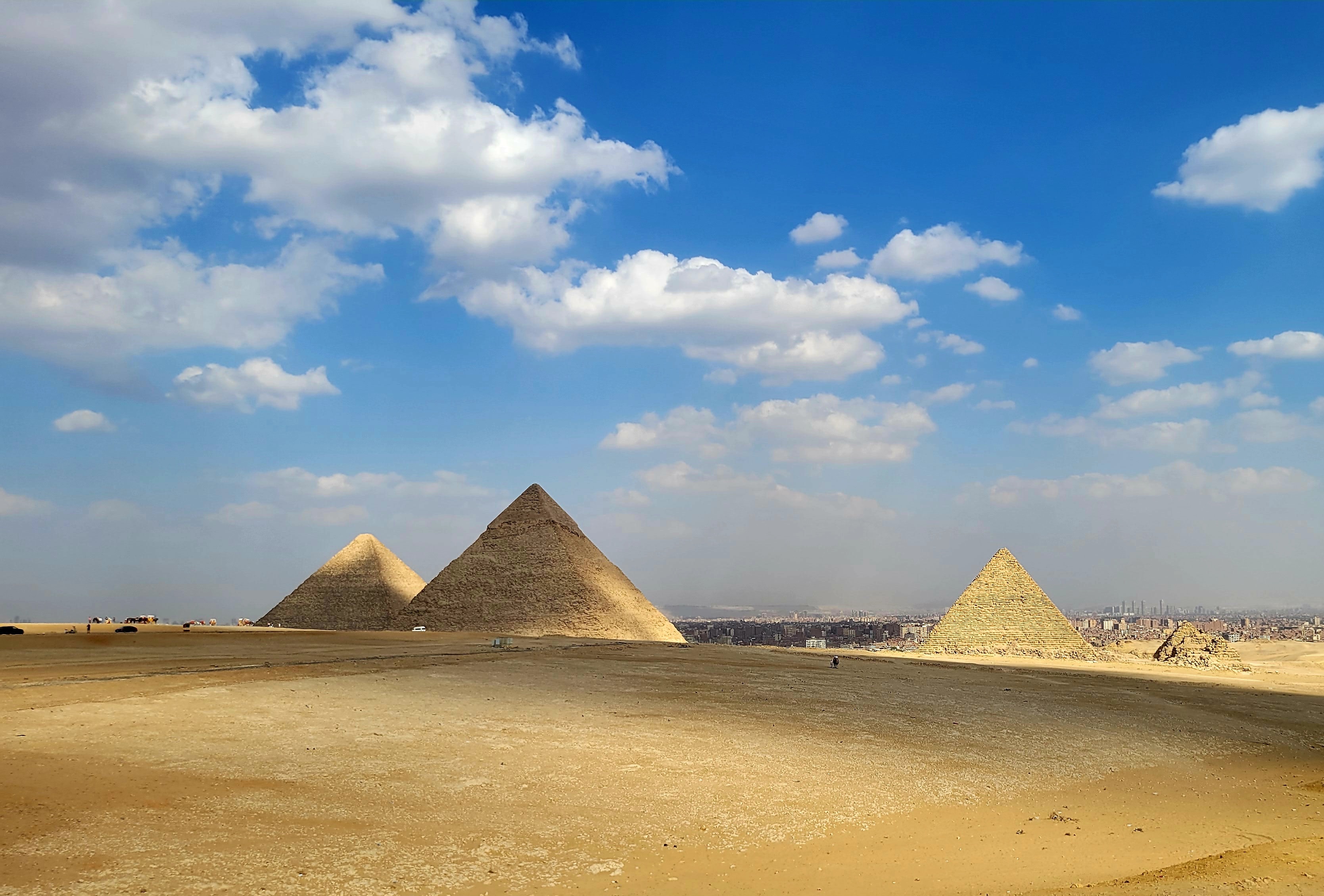
The three pyramids of Giza — with modern Cairo visible on the horizon.
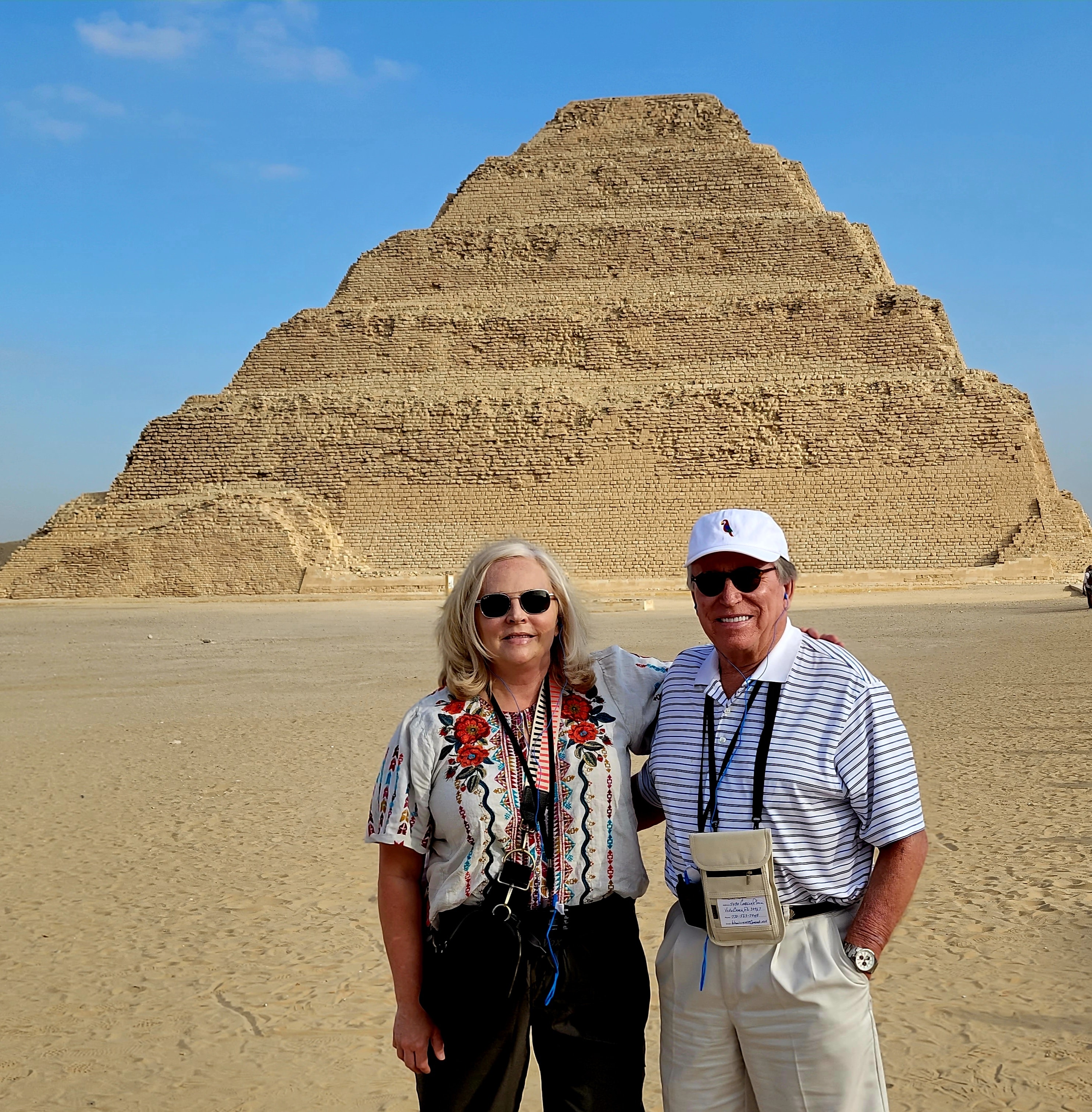
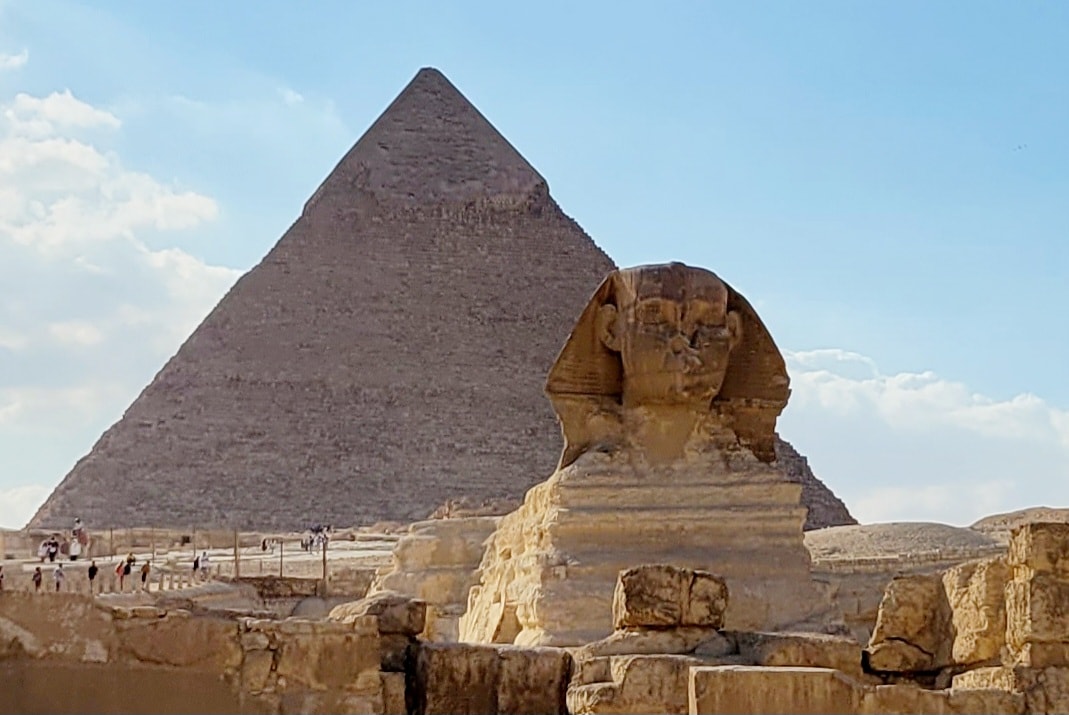
At the Step Pyramid of Saqqara (left) and the Sphinx with Khafre's pyramid behind it (right).
We visited Giza, of course. The Great Pyramid of Khufu, Khafre, and Menkaure, plus the Sphinx. But we also made it to Saqqara, home of the Step Pyramid of Djoser, which is actually older than the Giza pyramids. Standing in front of it, knowing it was built around 2650 BCE, is the kind of moment that makes you feel very, very small.
The Sphinx in front of the Khafre Pyramid literally stopped me in my tracks. Seeing the sheer scale of it and the way it gazes out across the plateau with that expression that has been described a thousand different ways, and still defies description, is genuinely moving. It gave me chill bumps.
One thing to know: the area around the pyramids (and other tourist sites in Egypt) is full of vendors, camel handlers, and people eager to offer you a photo opportunity for a fee. It can feel relentless. My advice: decide in advance what you're open to (a camel photo is actually a fun memory), agree on a price before you commit to anything, and don't feel guilty about saying no. The vendors are persistent but not aggressive, and a firm, friendly "no thank you" is always respected. And if you don't want to be bothered, just don't engage.
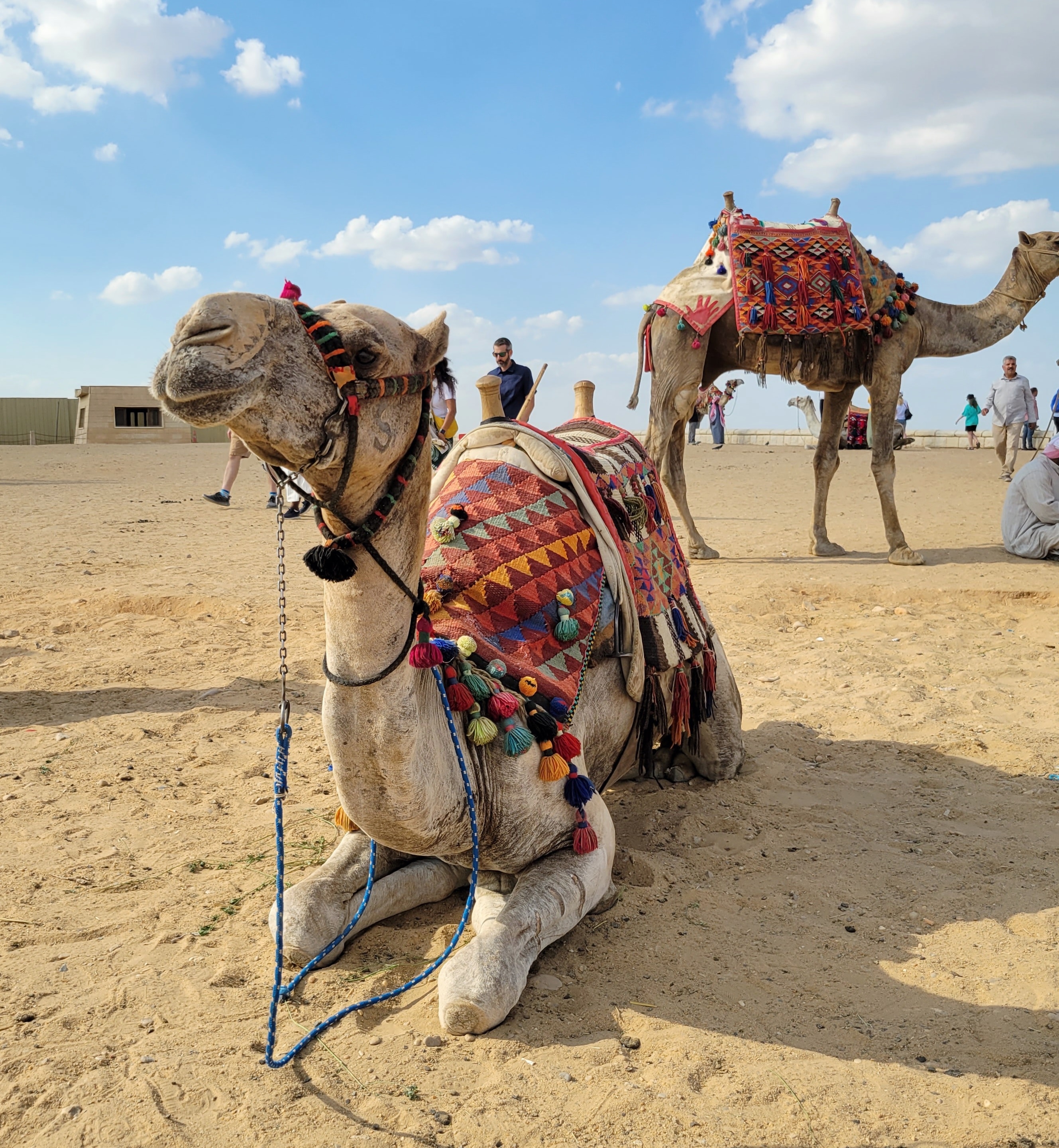
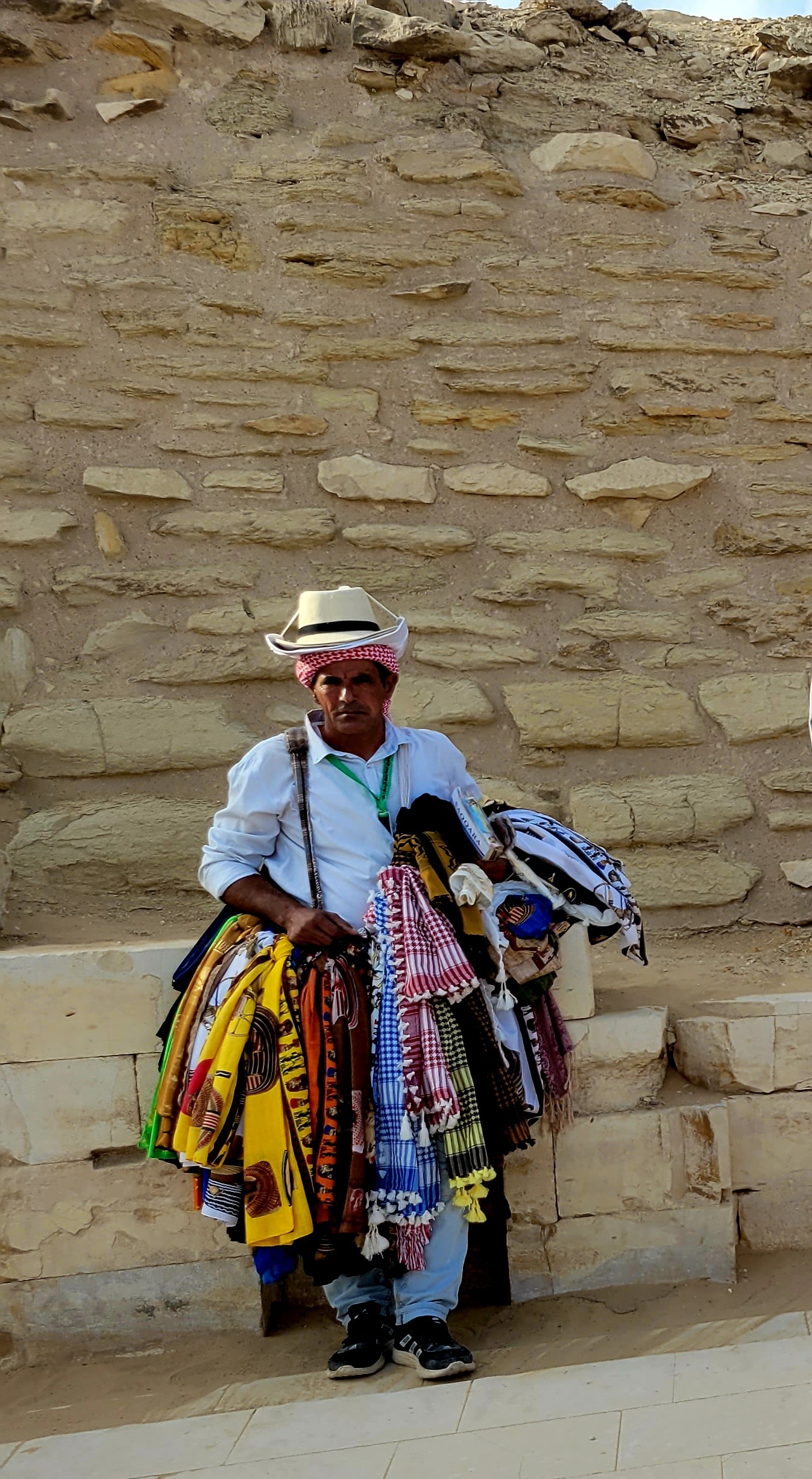
Camels at Giza (left) and the color and commerce around the pyramids (right) are both part of the experience.
South to Aswan: A Different Egypt Entirely
Flying from Cairo to Aswan felt like arriving in a different country. Where Cairo is hectic and dense, Aswan is calm, sun-drenched, and deeply beautiful. The Nile here is wide and slow, lined with palms and feluccas drifting in the afternoon light. The pace of life slows noticeably, and so did I.
The temples around Aswan are extraordinary. The Temple of Philae is dedicated to the goddess Isis and was relocated stone by stone to Agilkia Island to save it from the rising waters of Lake Nasser. It's one of the most beautifully preserved ancient sites I've ever seen. Walking through its colonnaded halls, with hieroglyphics still vivid on the walls after 2,000 years, is humbling in the best way.
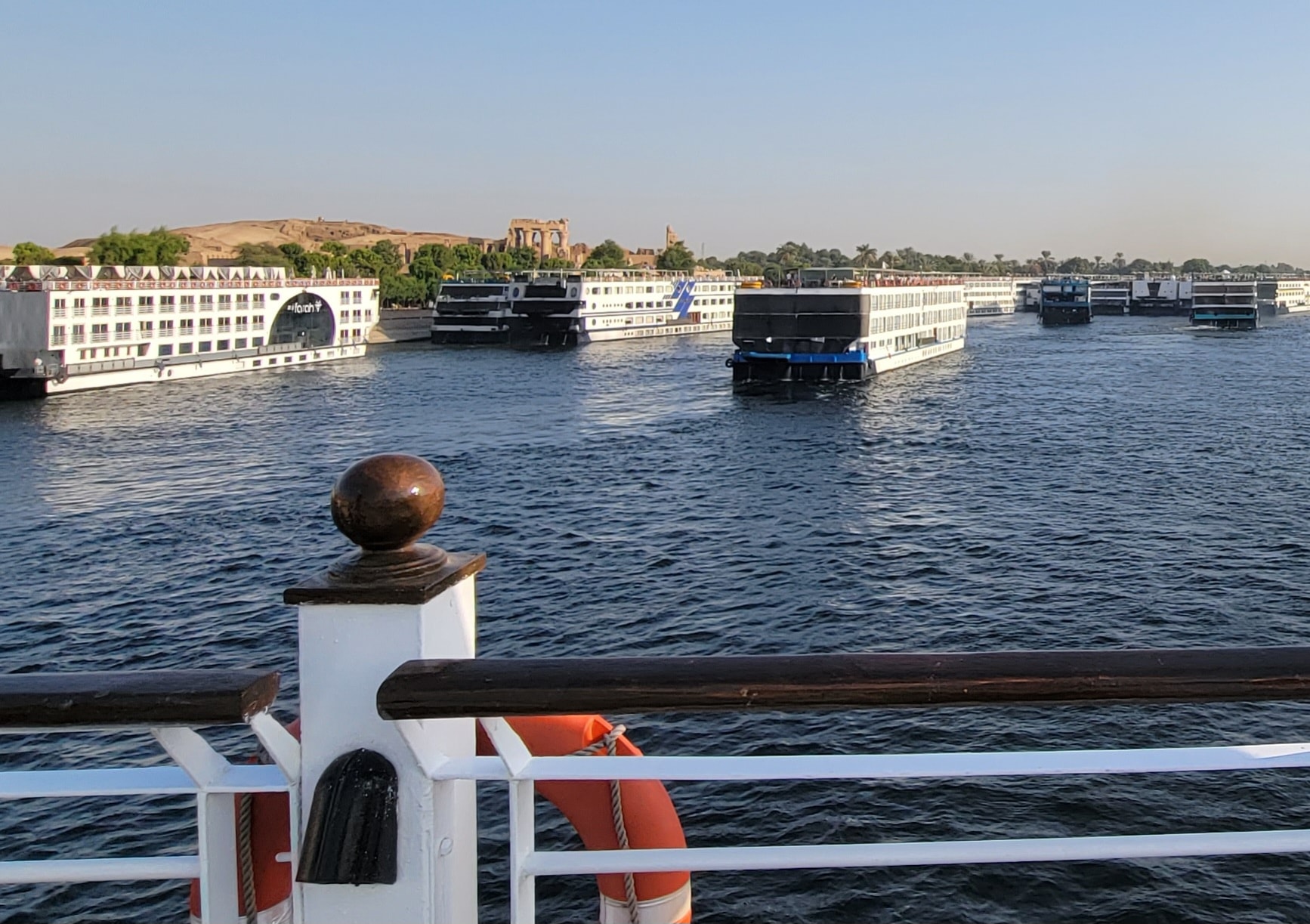
Life on the Nile — the river that has connected Egypt for thousands of years.
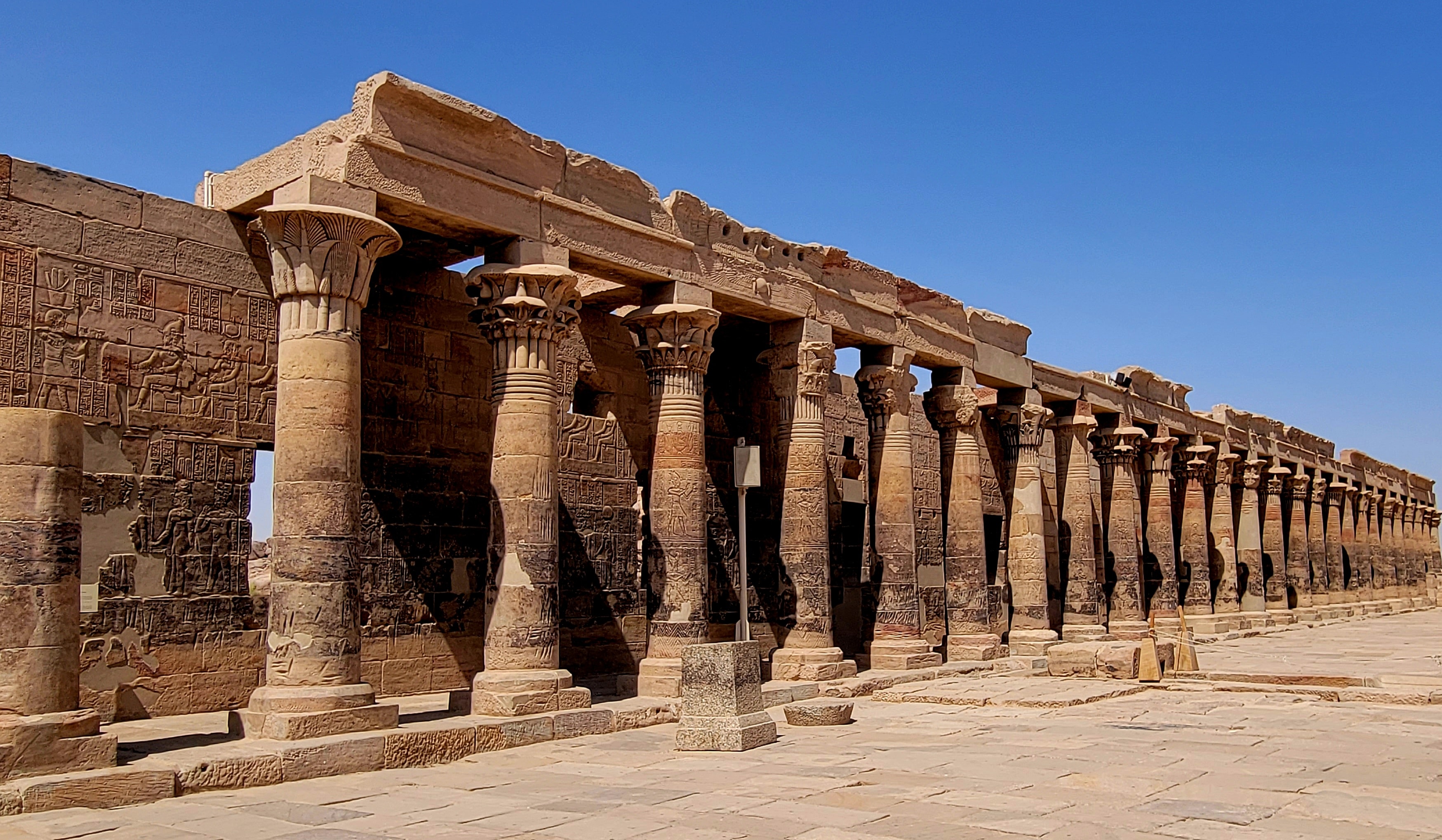
The Temple of Philae — relocated stone by stone to save it from the rising waters of Lake Nasser.
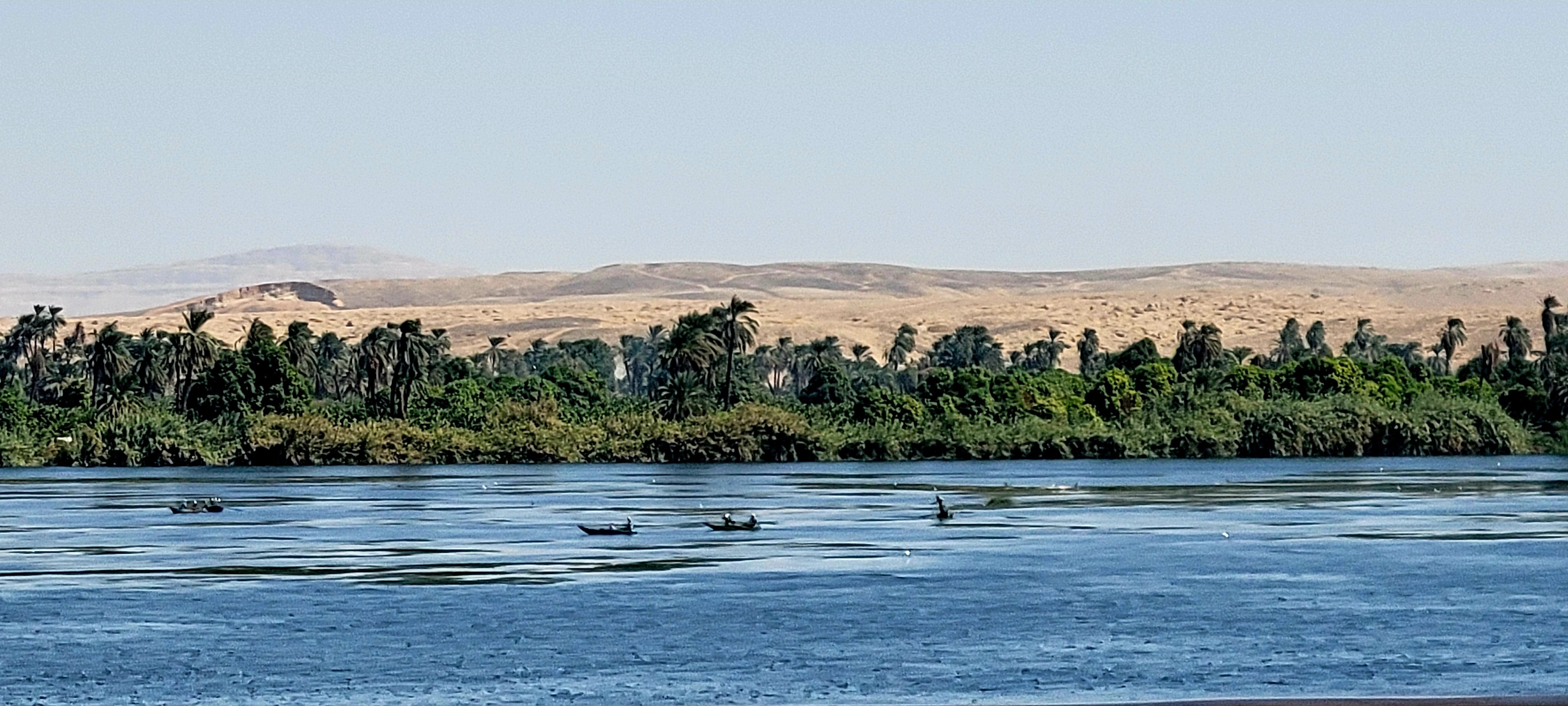
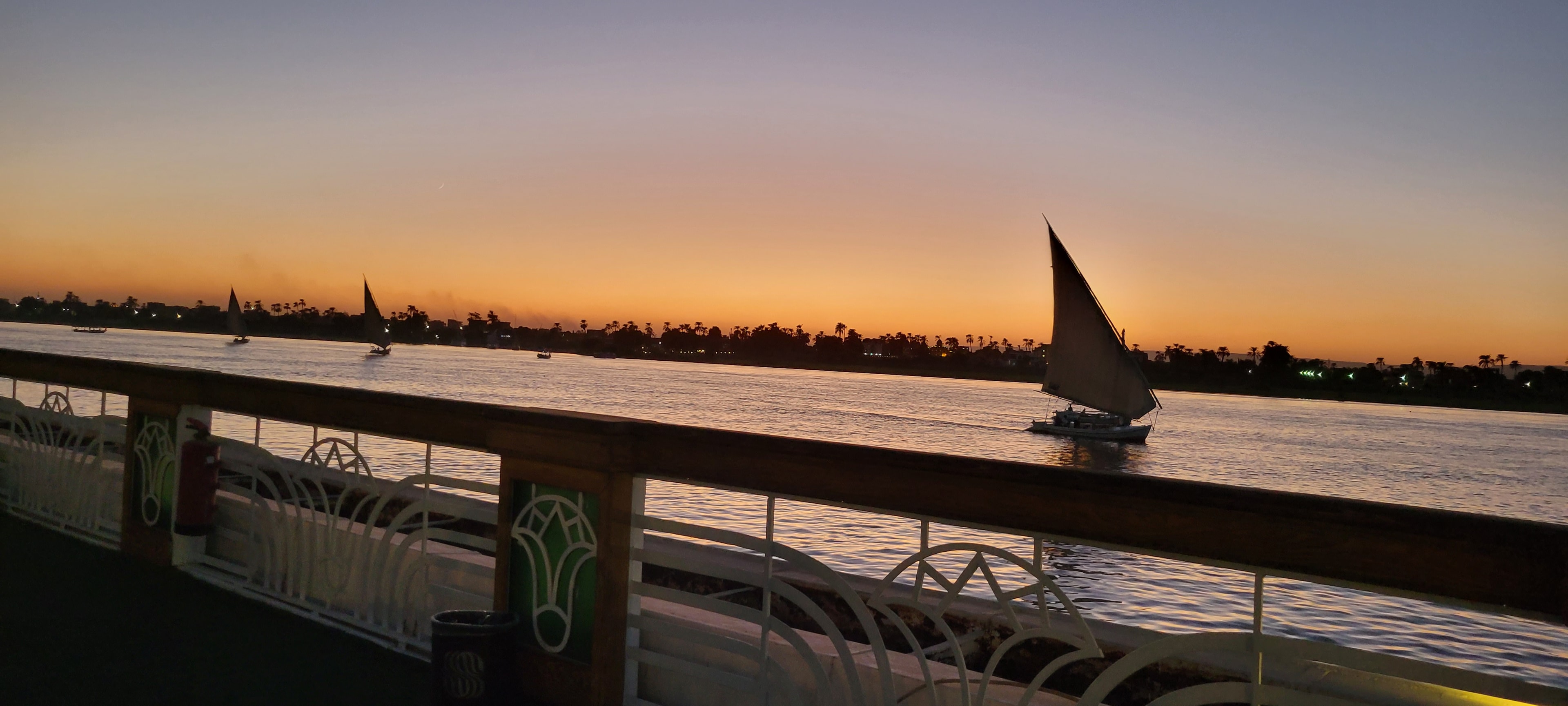
The Nile from the water — palms and desert by day (left), and one of the most beautiful sunsets of my life (right).
One of the most unexpected highlights of the entire trip was a visit to an indigenous Nubian village just outside Aswan. We were welcomed by the village elder, who sat with us and shared stories about Nubian history, culture, and the displacement his community experienced when the Aswan High Dam was built in the 1960s. It was one of those rare travel moments where you stop being a tourist and start being a guest — and the difference is everything.
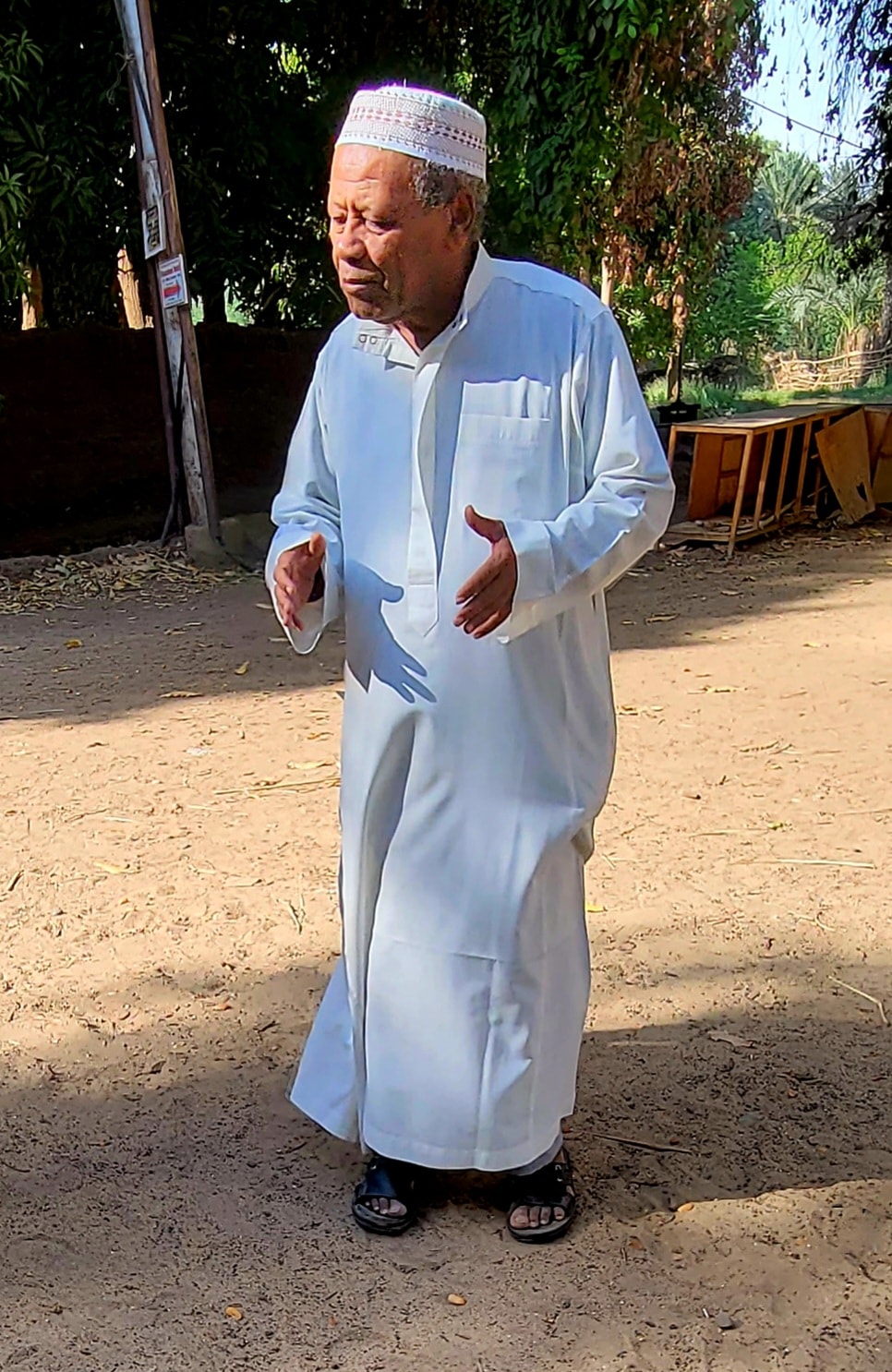
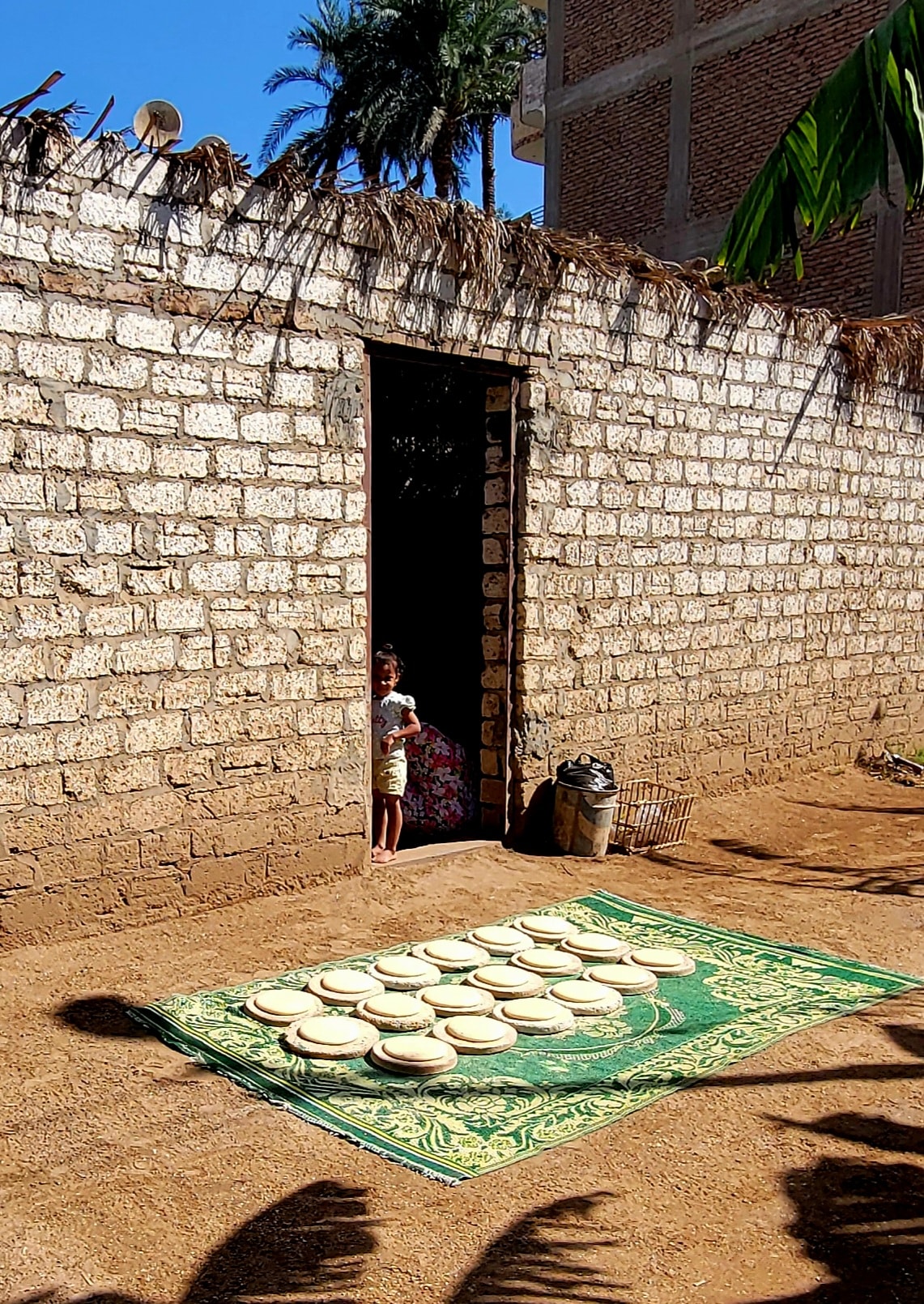
The village elder whose stories were unforgettable (left) and a small child peeps out at us while bread bakes in the sun (right).
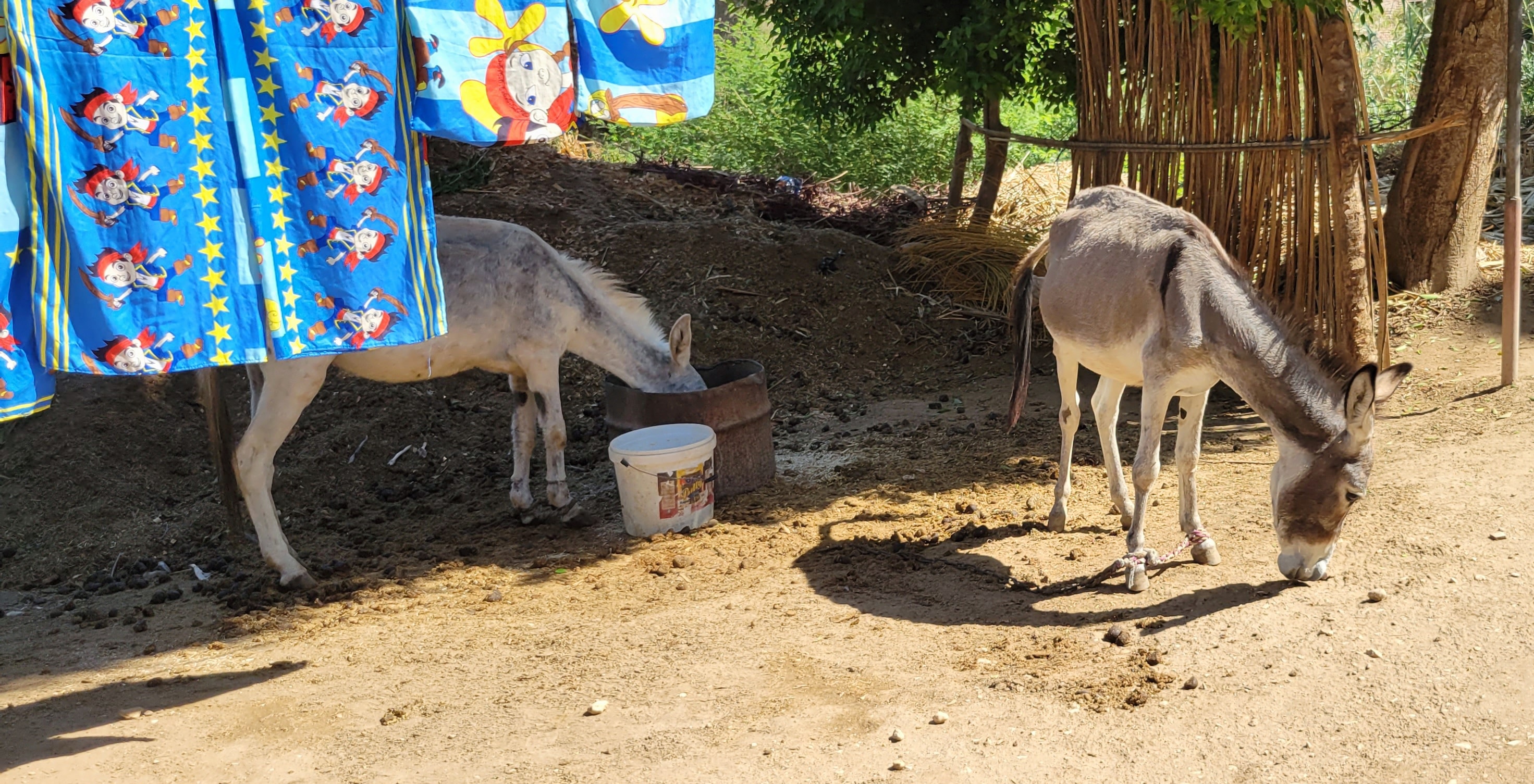
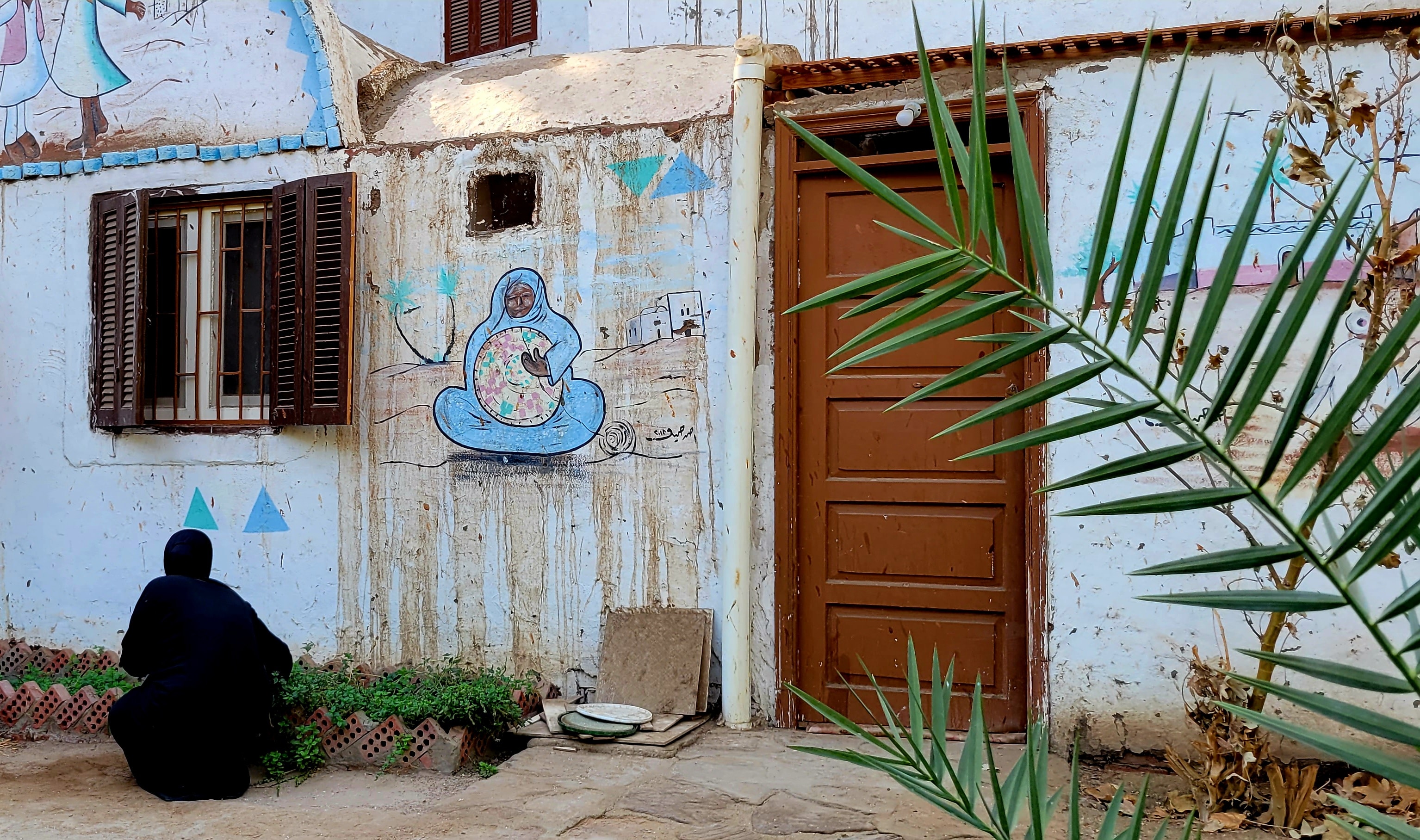
Village life is unhurried and beautiful.
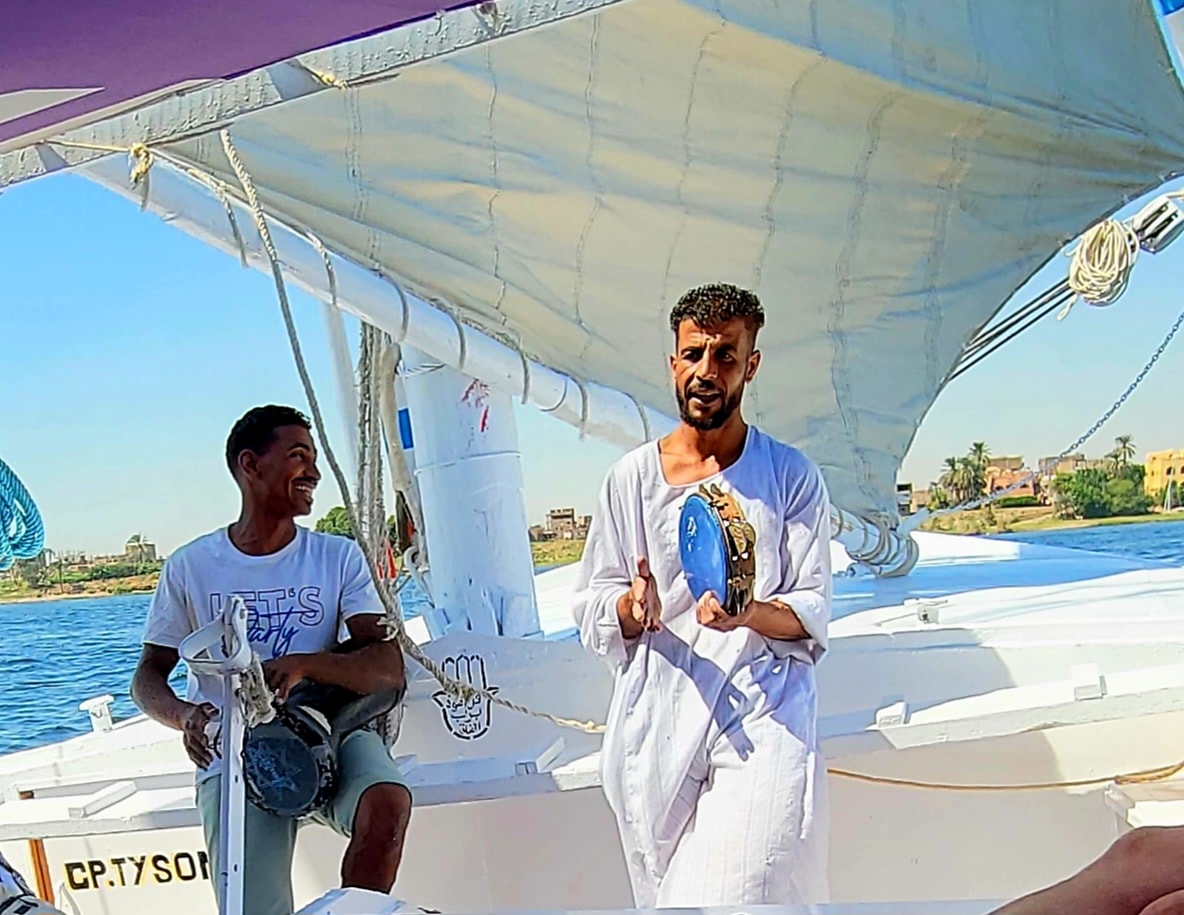

The felucca crew (left) and a boy peddler on the Nile (right) . The warmth of the people along the river is something you carry home.
The Nile Cruise: Egypt at Its Most Magical
If you do one thing in Egypt, make it a Nile river cruise. Sailing north from Aswan, stopping at temple after temple along the way, watching the landscape shift from desert cliffs to green riverbanks to ancient ruins is, without question, one of the great travel experiences in the world.
The temples at Kom Ombo, Edfu, and Luxor are each remarkable in their own right. Kom Ombo, dedicated to both the crocodile god Sobek and the falcon god Horus, sits right on the riverbank and is especially dramatic at sunset. Edfu's Temple of Horus is the best-preserved ancient Egyptian temple in existence; walking through its towering pylons feels like stepping directly into the ancient world.
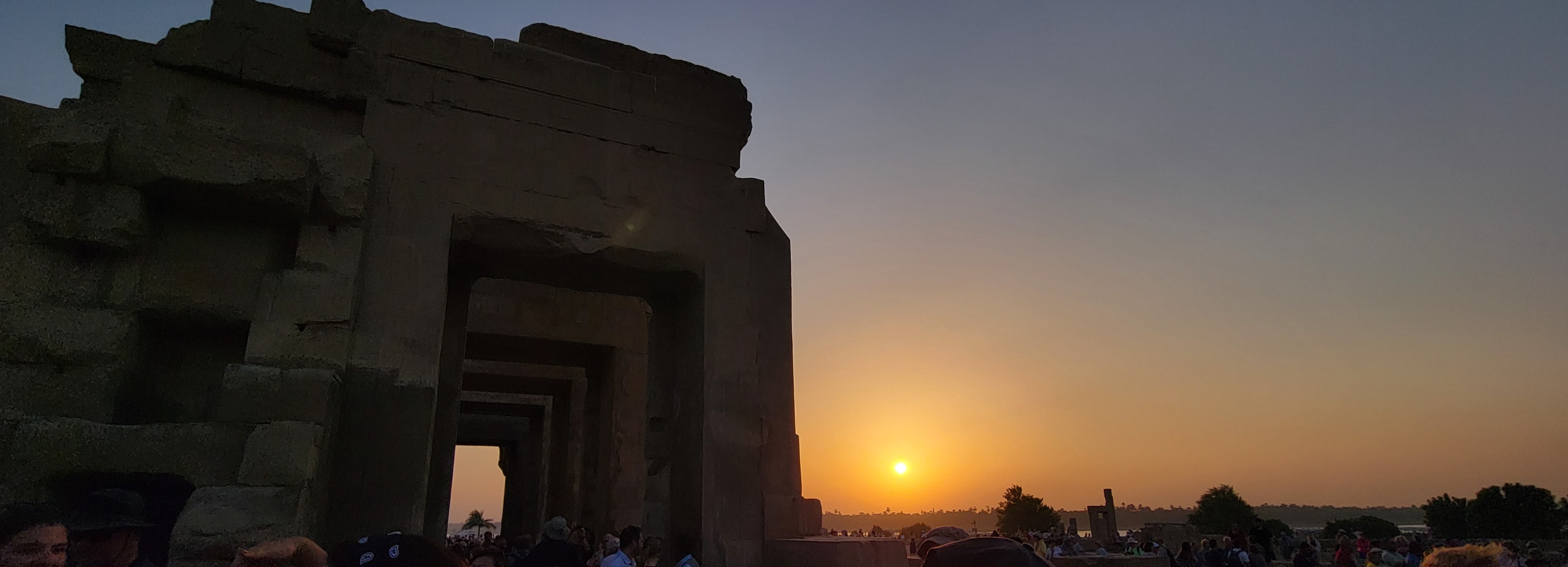
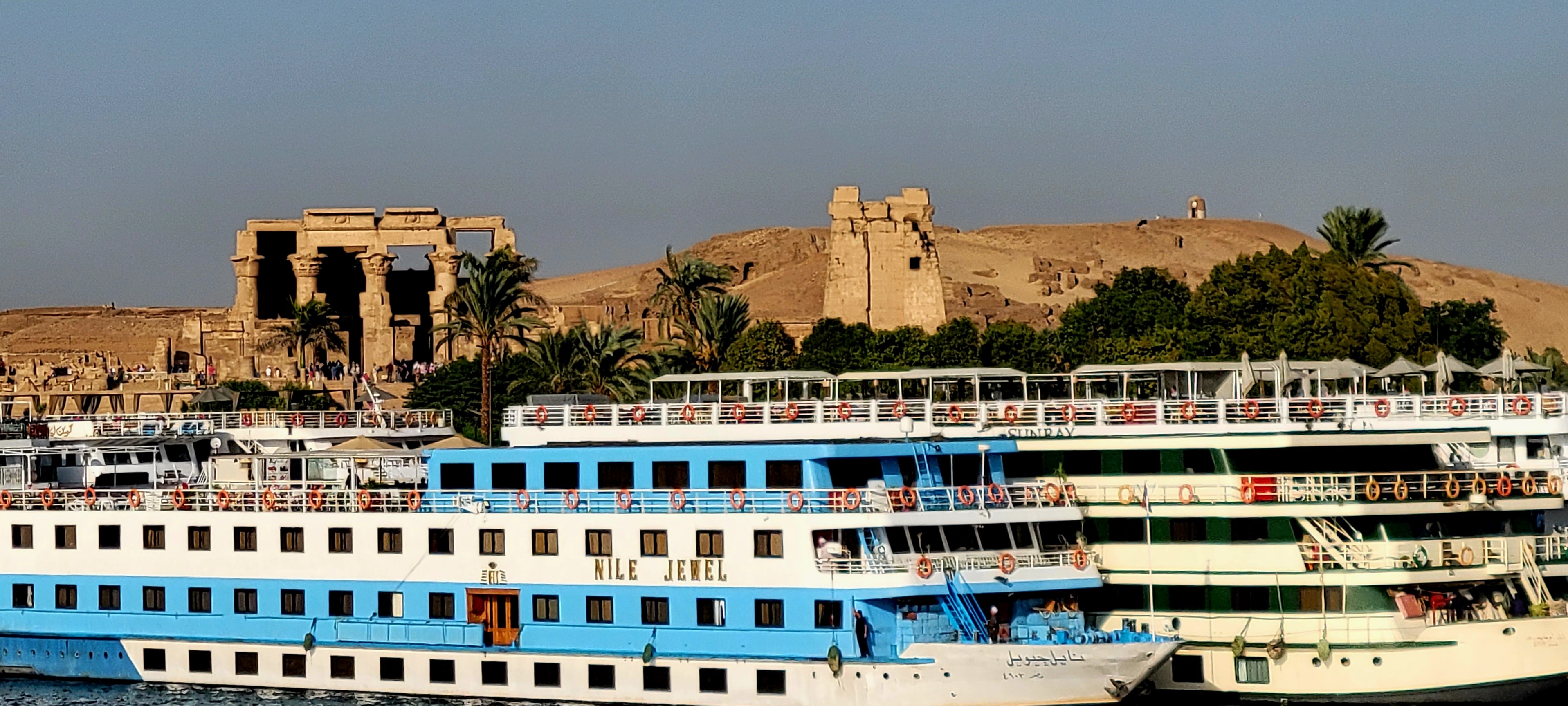
Sunset through the doorways of Kom Ombo (left) and the Nile Jewel docked at the temple (right).
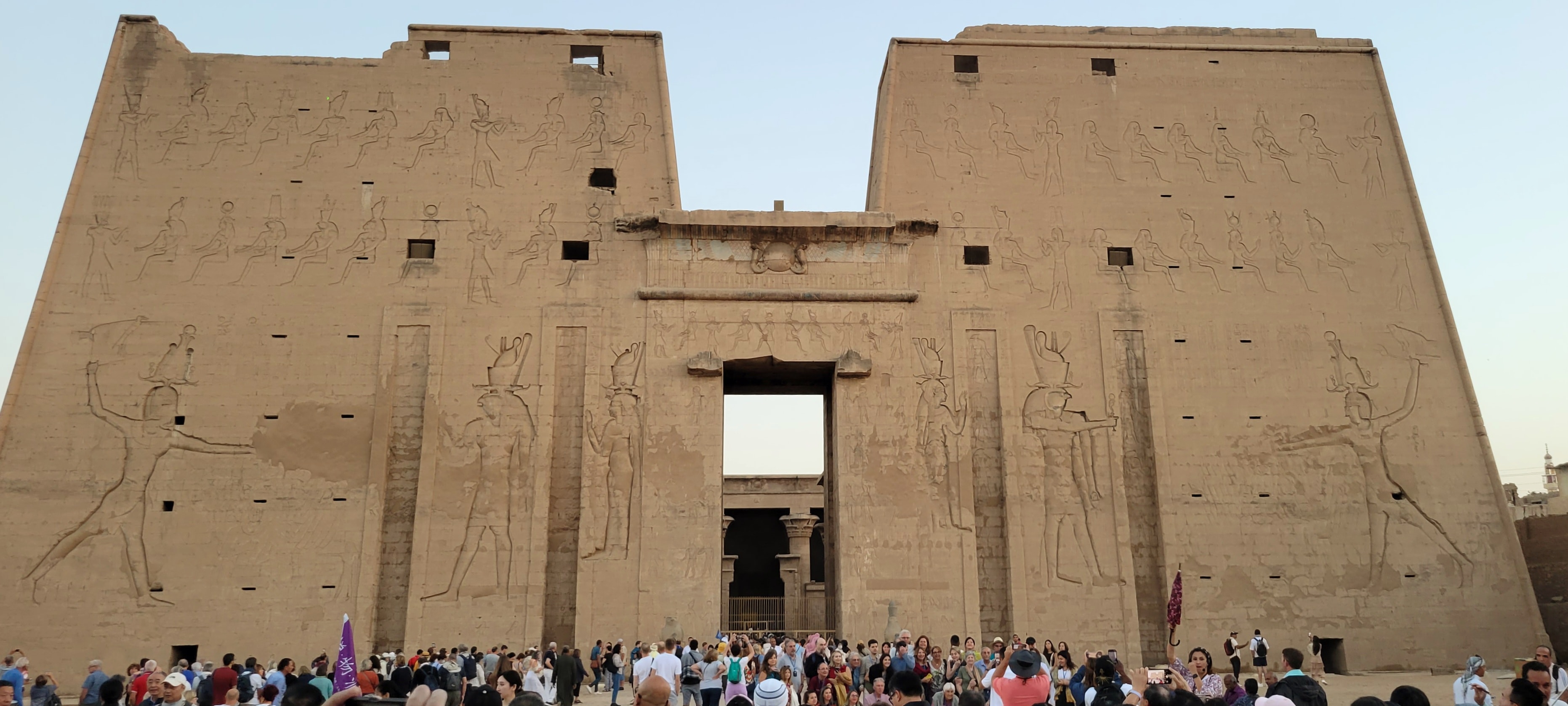
The Temple of Edfu is remarkably the best-preserved ancient Egyptian temple in existence.
And then there's Luxor. The Karnak Temple complex alone could occupy an entire day, and truthfully should get two. The Avenue of Sphinxes leading to the entrance, the towering hypostyle hall with its 134 massive columns covered floor to ceiling in hieroglyphics, the pharaoh statues standing guard at dusk. It is staggering in scale and in beauty.
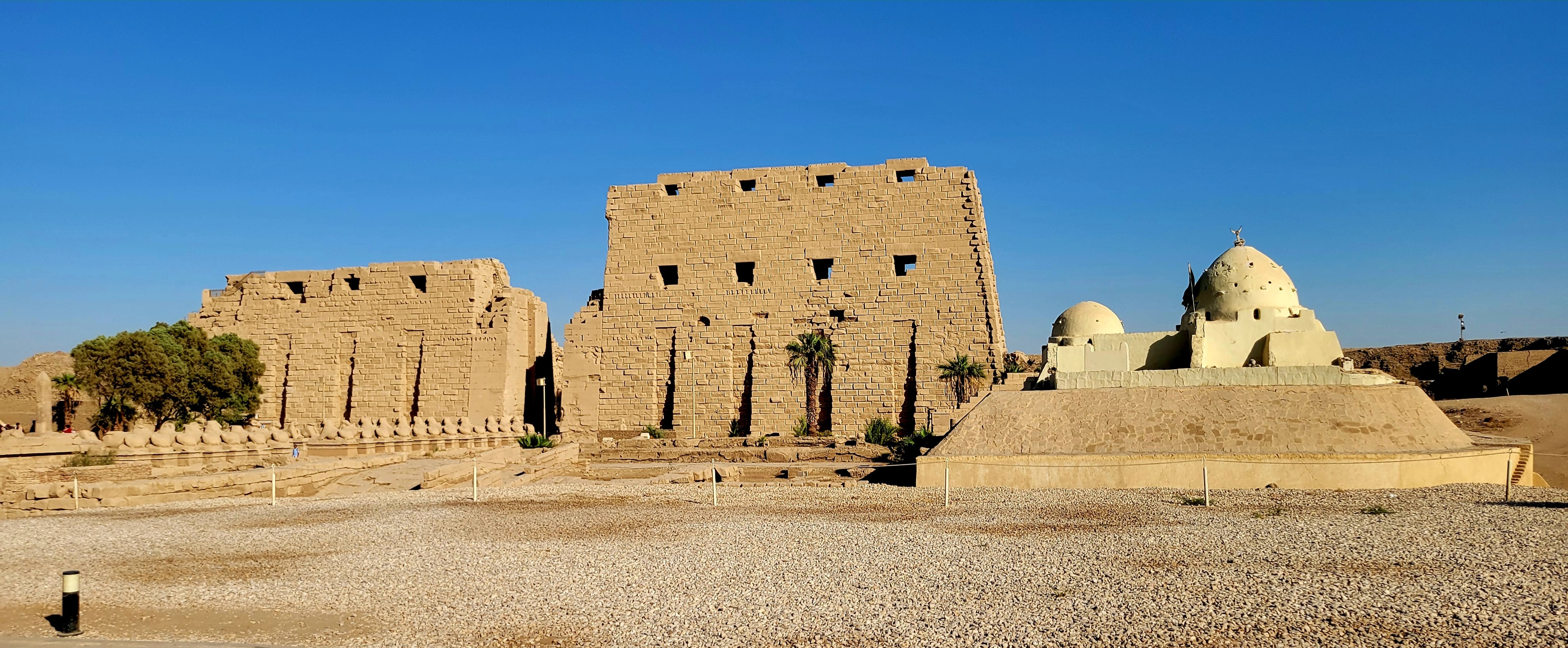
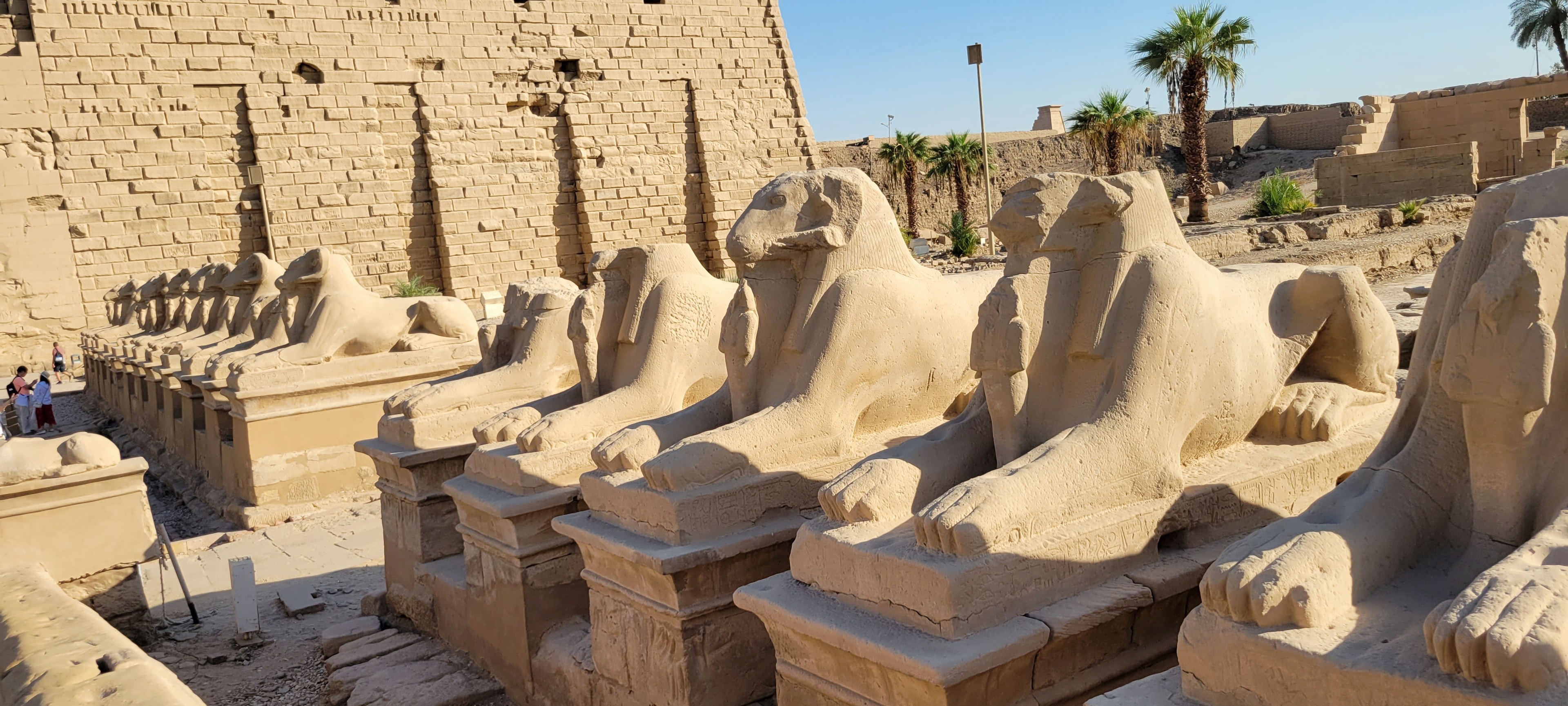
Karnak's vast temple complex (left) and the Avenue of Sphinxes leading to its entrance (right).
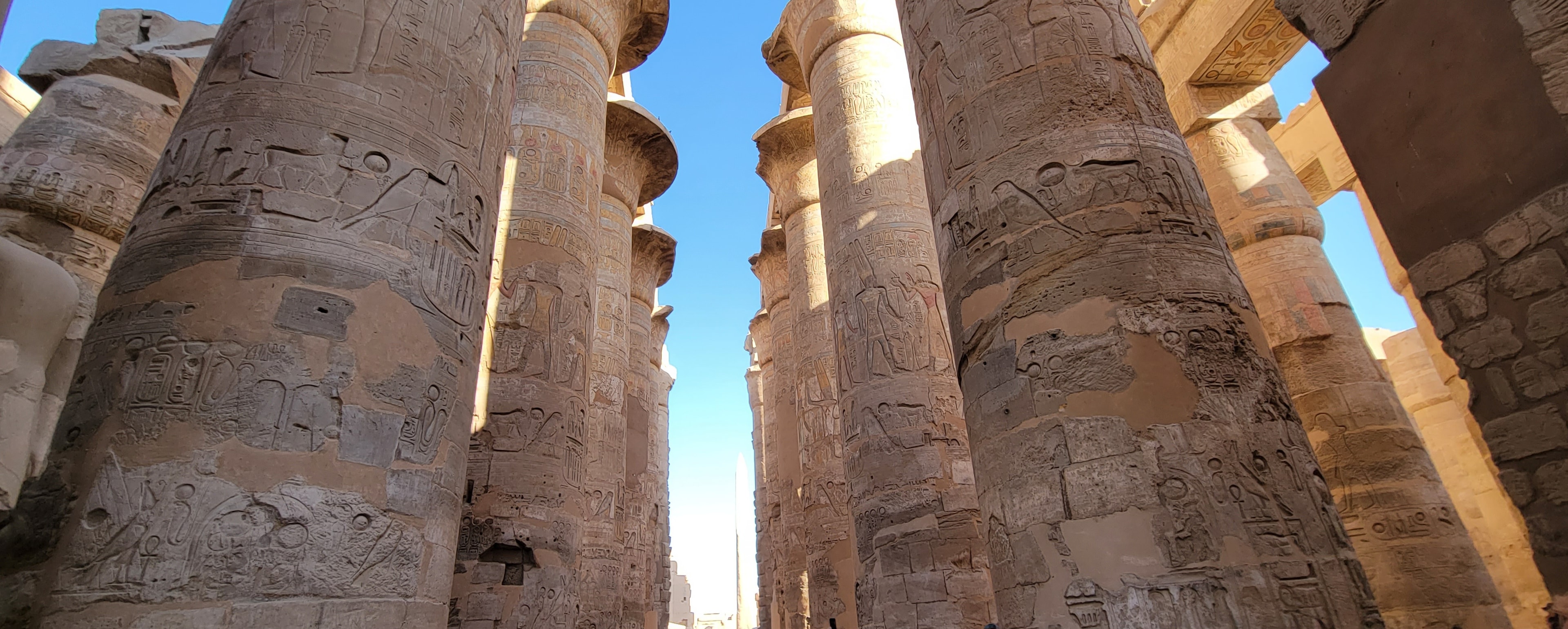
The Great Hypostyle Hall at Karnak — 134 columns, every inch covered in hieroglyphics.
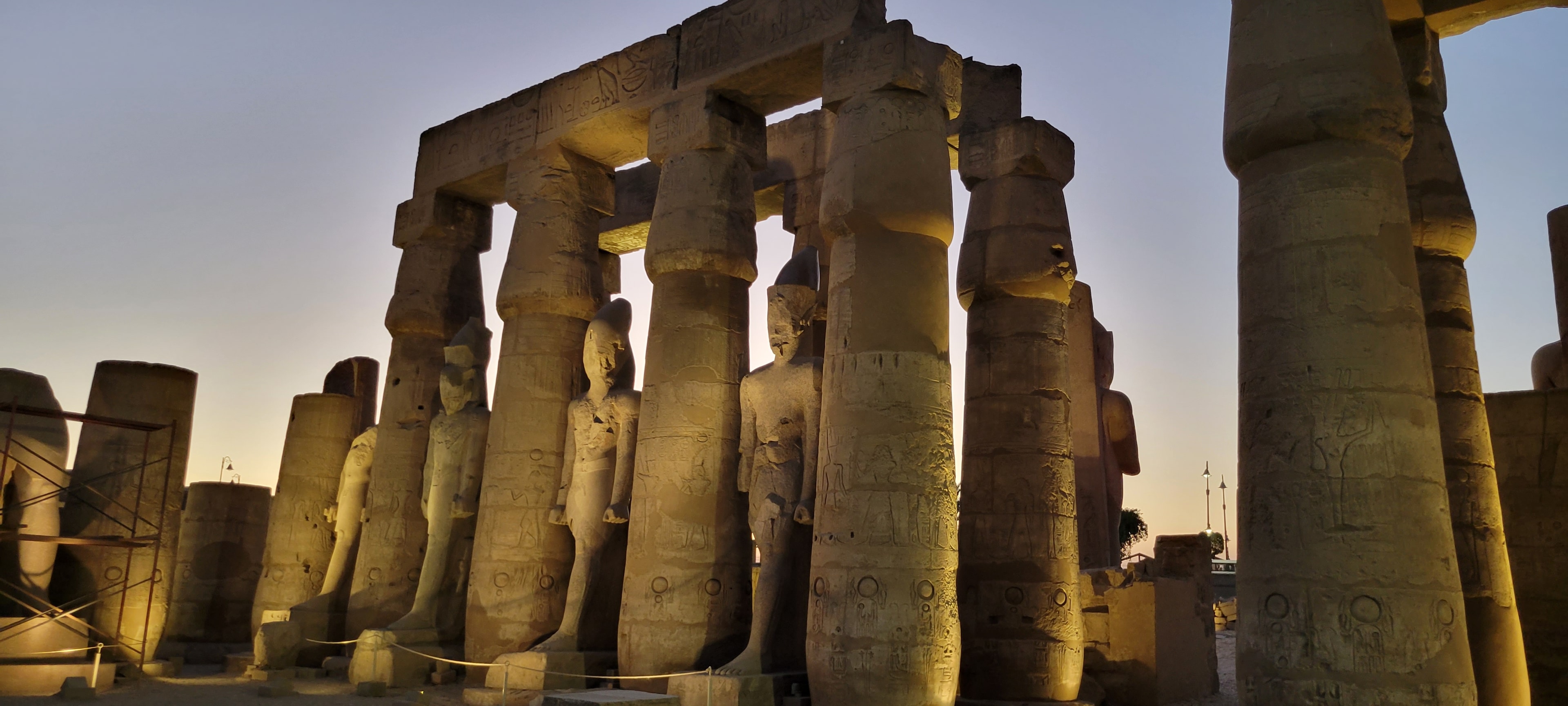
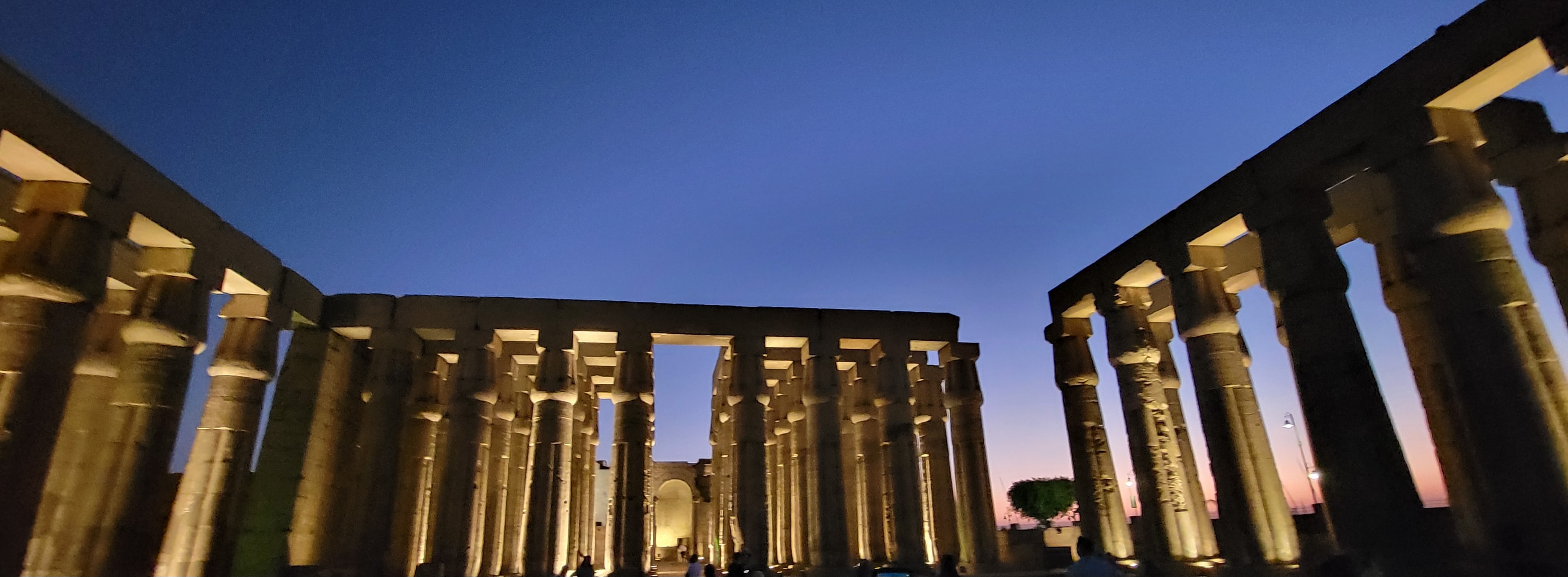
Luxor Temple at dusk (left) and illuminated at night (right) — if you can only see it once, see it after dark.
The Valley of the Kings and Queens: Where the Most Notable Pharaohs Were Laid to Rest
The Valley of the Kings, just across the river, is where approximately 26 pharaohs including Tutankhamun, Ramesses II and III, Seti I and Hatshepsut (among many others) were buried; and where, standing in the cool silence of a tomb carved approximately 3,300 years ago, you feel the full weight of what Egypt is. The tombs are ornately painted and carved, and deep, deep in the earth. And if you get there before dawn, you just may be the only one in a tomb; feeling that weight in total silence. It's a very spiritual experience and one you won't forget.
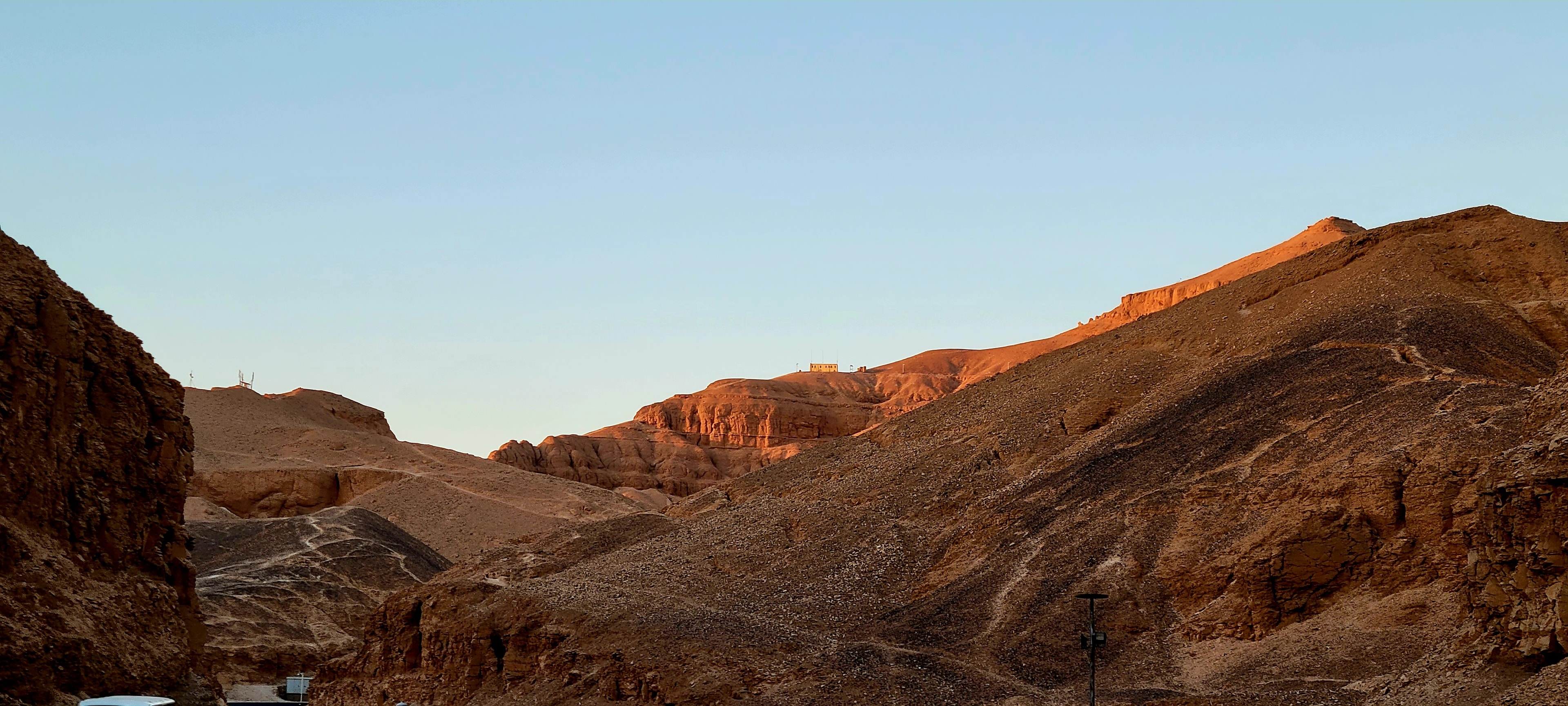
Dawn over the Valley of the Kings, before the masses arrive.
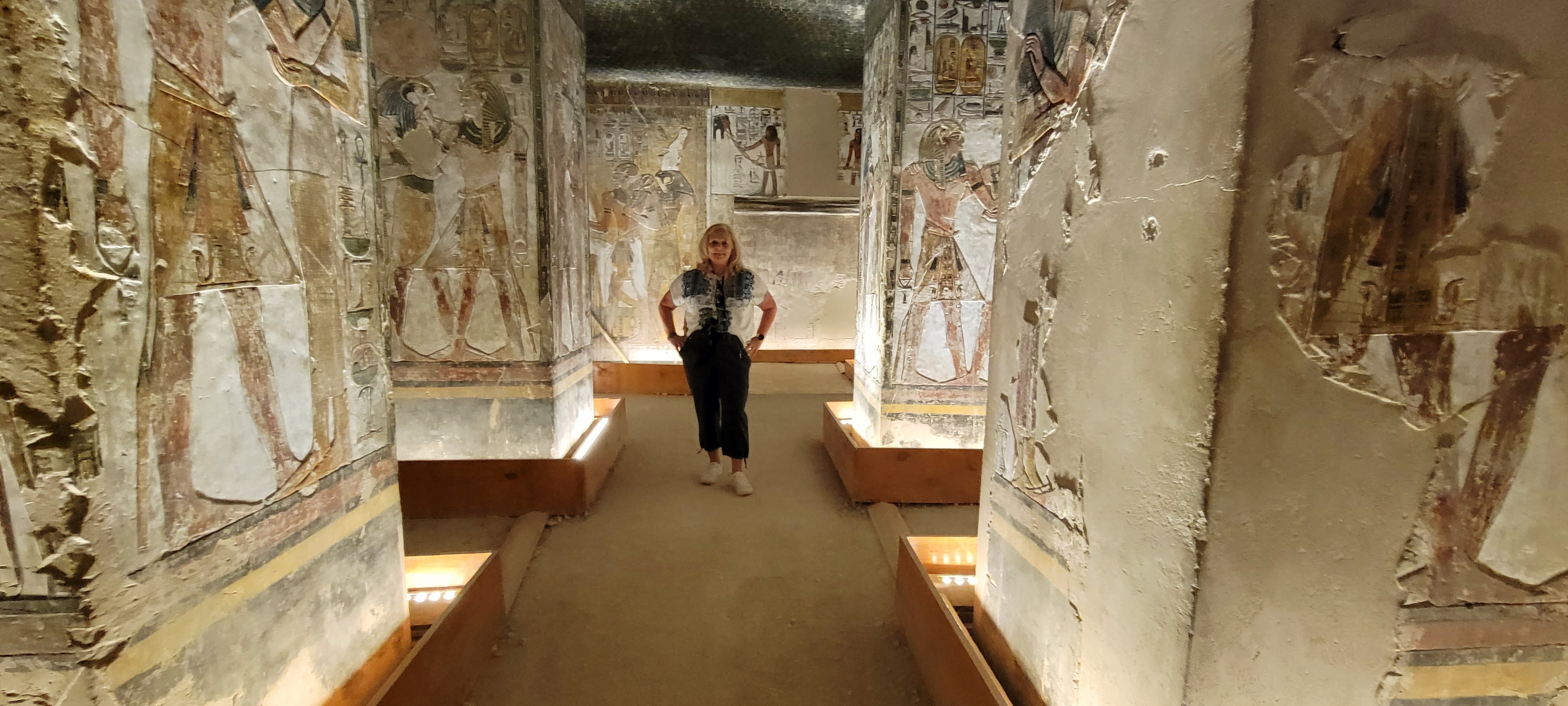
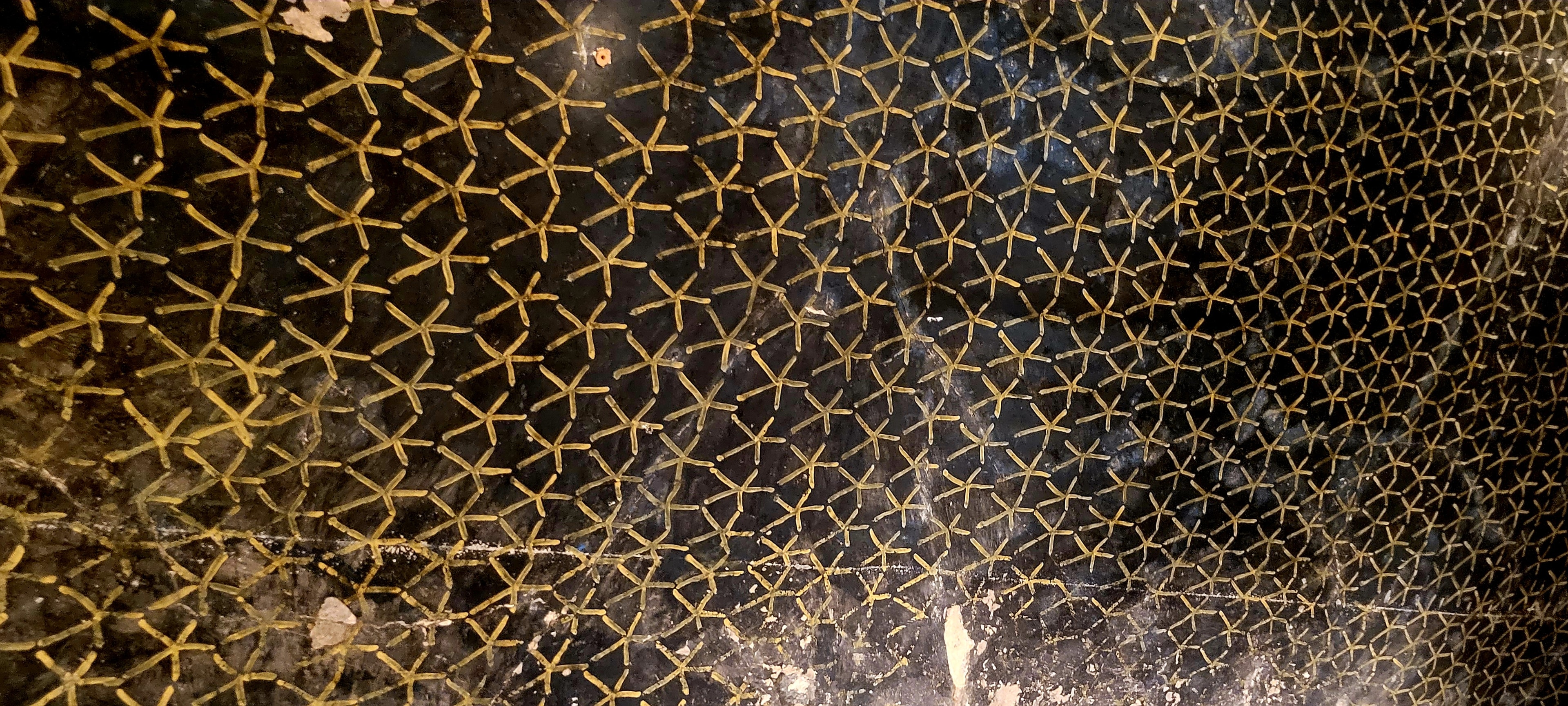
Deep inside the Tomb of Set I in the Valley of the Kings (left) and the ceiling of Queen Nefertari's Tomb in the Valley of the Queens with stars painted in gold over 3,000 years ago (right).
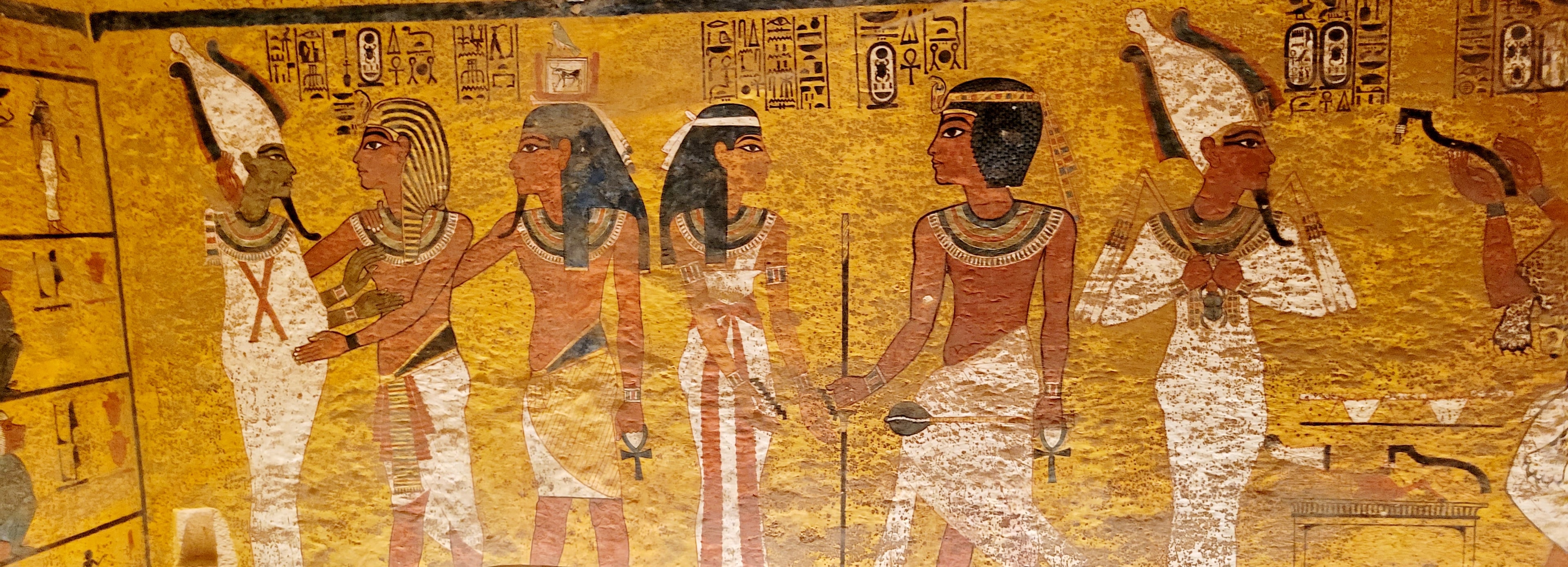
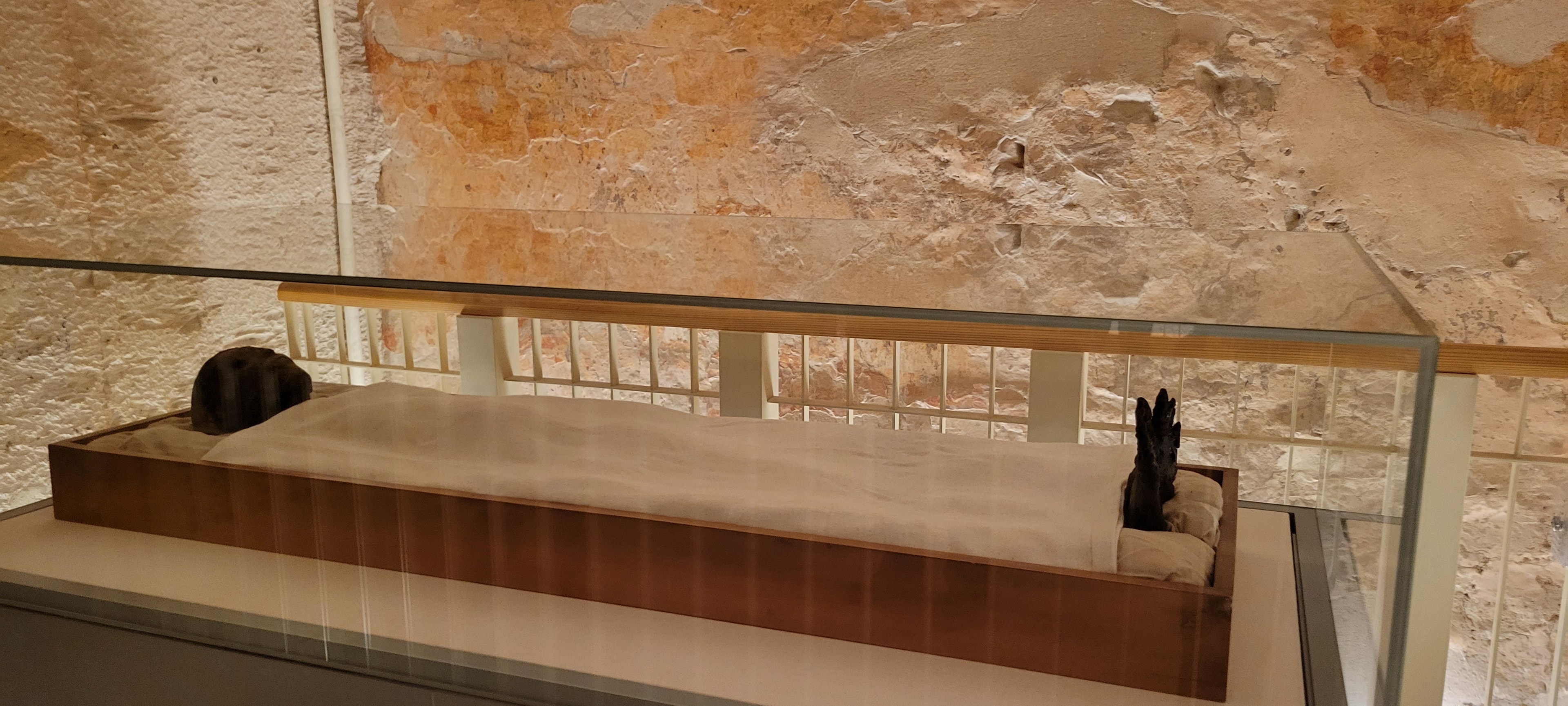
King Tut's Tomb; with paintings still vivid after 3,000 years (left). King Tut himself, still resting where he was placed (right).
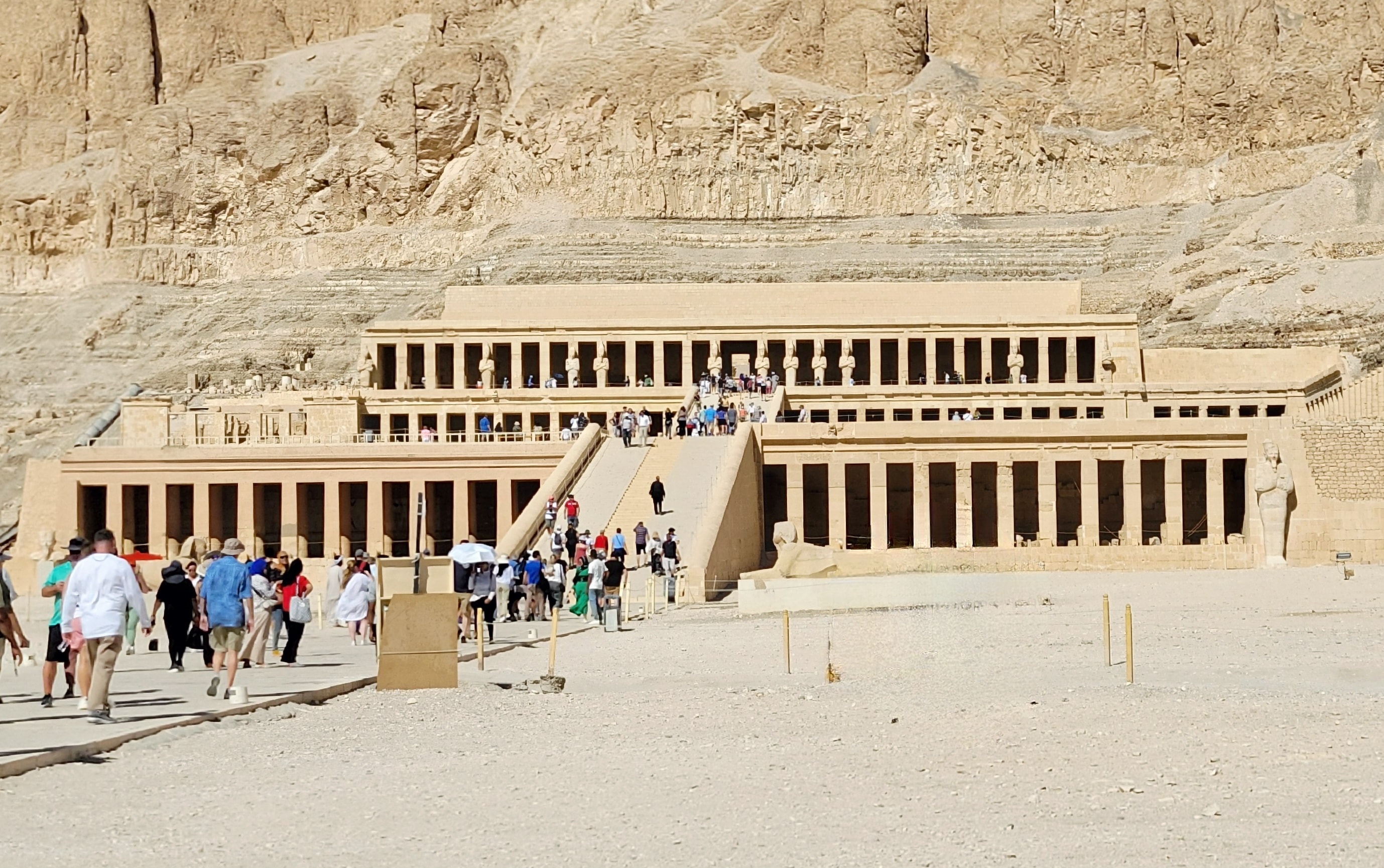
The Mortuary Temple of Hatshepsut, who was one of the most successful Pharaohs in Egyptian history. Oh, and a woman! Her temple is one of the largest, most ornate and remarkable structures in all of Egypt.
A Moment I Didn't Expect
In Aswan, we happened to witness an Egyptian wedding celebration at our hotel. The bride in her extraordinary gown, the music, the joy was all a reminder that Egypt isn't just a museum. It's a living, breathing, vibrant country that celebrates life and love. The people in it are living life to its fullest and have their own stories that have nothing to do with the pyramids and everything to do with being human. Priceless. That moment was unexpected, unplanned, and completely unrepeatable. And is the one I keep coming back to. It's the kind of thing that only happens when you go.
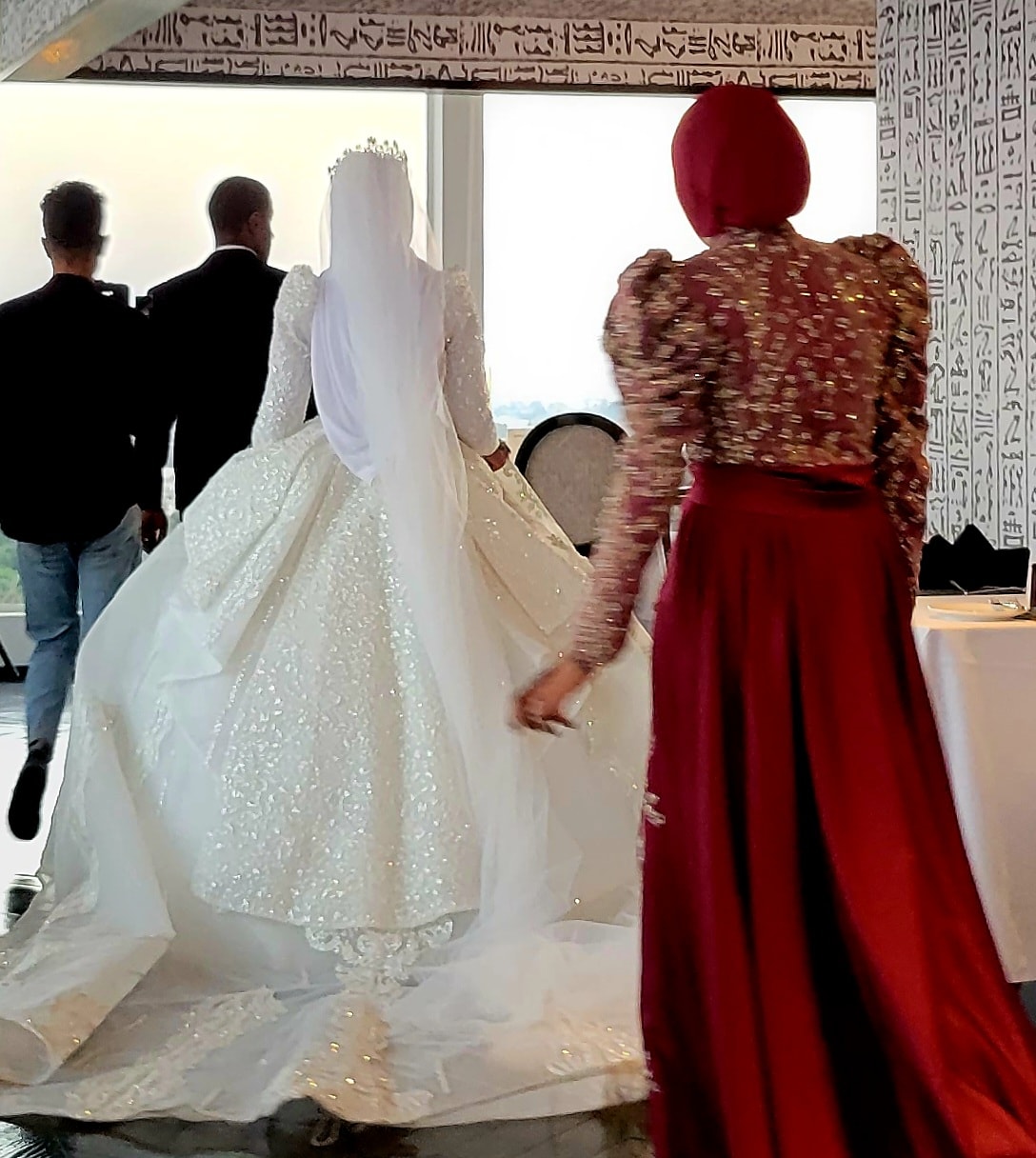
A wedding celebration at our hotel in Aswan.
Completely unexpected and priceless.
My Honest Take on Egypt
Egypt is not a trip for everyone, and I think it's important to say that. Cairo is genuinely overwhelming: the crowds, the traffic, the poverty, the sensory overload. If you need your travel to be comfortable and predictable, Egypt will challenge you. But if you're willing to lean into the complexity; to hold the difficulty and the beauty at the same time; well, what you get in return is extraordinary.
The history is unlike anything else on earth. The temples, the tombs, the pyramids — these are not just tourist attractions. They are the physical remains of a civilization that shaped the entire ancient world, and standing in front of them is a privilege that I don't take lightly.
The people are warm, proud, and genuinely welcoming. The colors are vivid and alive. The food is delicious. The Nile is magical. And the stories. Whether from a village elder in Aswan, from a perfume vendor in Khan el-Khalili, or from the children peddling their wares; these are the stories I'll be telling for years. Go. Go with a good guide, go with an open mind, and go ready to be changed by it.
Ready to Wander?
Let's Plan Your Egypt Trip
Egypt rewards travelers who plan well. Let's build an itinerary that gets you to the right places at the right time.
Let's Plan Your Trip